Relocating to the Cayman Islands:
What Buyers Should Actually Expect

Relocating to the Cayman Islands: What Buyers Should Actually Expect
Ask anyone who has actually bought a home in the Cayman Islands what surprised them, and the answer is rarely the price. It is how little paperwork stands between deciding to buy and actually owning. Cayman is, by regional standards, refreshingly uncomplicated for foreign buyers. The complications, where they exist, are elsewhere.
Buying property: simpler than most of the region
Foreign individuals do not need a government licence to buy residential real estate in the Cayman Islands, and non-residents can hold freehold title in their own name under a title system the government itself guarantees. There is no equivalent of the Non-Citizen Land Holding Licence found in Antigua or the Non-Belonger Land Holding Licence required in the British Virgin Islands. The one exception concerns raw, undeveloped land above a certain acreage outside government-sanctioned developments, where a licence can still apply, so it is worth confirming with a local attorney whether a specific parcel falls into that category before assuming it does not.
What you will pay is stamp duty on completion, charged at 7.5% of the purchase price or market value, whichever is higher. From 1 January 2026, that rate rose to 10% for properties valued at CI$2 million or more, a threshold worth checking against your target price range before you get too far into a search, since it can meaningfully change the maths on anything near that line. Stamp duty concessions exist but are reserved for Caymanian buyers, so foreign purchasers should budget for the full rate.
Residency through investment
The main route for people who want to live in Cayman rather than simply own a holiday property is the Residency Certificate for Persons of Independent Means. On Grand Cayman, it requires annual income of at least CI$120,000 (or CI$400,000 held on deposit locally) and a local investment of at least CI$1,000,000, of which at least CI$500,000 must be in developed real estate. The bar is lower on Cayman Brac and Little Cayman: CI$75,000 in annual income and a CI$500,000 local investment, at least CI$250,000 of it in developed real estate. The certificate runs for a renewable 25-year term and does not include the right to work. For an indefinite status, the Certificate of Permanent Residence for Persons of Independent Means requires CI$2,000,000 in developed real estate and is capped at 250 grants a year. Thresholds do change periodically, so confirm current figures with an immigration attorney before planning a budget around them.
Update, August 2026: the figures above replace an earlier, unverified estimate in this guide. For the full breakdown of every Cayman residency route, see Cayman Islands Residency by Investment: The Routes That Actually Exist.
What customs actually involves
This is where Cayman quietly does something more generous than several of its neighbours. Household goods and personal effects shipped within the first six months of establishing residence are admitted duty-free, provided they were already owned and used for at least six months before arrival. New items, or anything bought within six months of the move, are not covered by the concession and must be listed separately on your packing list, since mixing new and used goods in one shipment tends to slow clearance rather than speed it up. Outside that residency concession, general import duty is typically 22 per cent of the cost, insurance and freight value, with higher rates for some categories such as vehicles, and there is no VAT to add on top of it, which is unusual for the region and worth factoring into a like-for-like cost comparison with other islands. Vehicles also carry a flat Environmental Impact Fee on top of duty, currently CI$250 for a car and CI$75 for a motorcycle, a fixed government charge rather than a percentage, so it is easy to budget for precisely.
Driving legally once you're there
Cayman does not require a separate visitor's driving permit. Visitors with a valid foreign licence can drive for up to six months. New residents can drive on their foreign licence for up to 12 months, but exchanging it for a Cayman licence through the Department of Vehicle and Drivers' Licensing after the first six months means taking a road test as well as the theory test, so it pays to make the switch early. Driving is on the left, and most vehicles are right-hand drive, which US arrivals in particular should factor in if importing their own car rather than buying locally.
Banking and settling in
Cayman's reputation as a global financial centre cuts both ways for new arrivals: the banking sector is exceptionally well-regulated and used to handling international clients, but anti-money-laundering checks on personal accounts can be more thorough than in smaller, less internationally connected markets, and processing times reflect that. Bringing clear documentation of the source of funds from day one, rather than assembling it after a bank asks, tends to be the difference between a quick account opening and a frustrating one.
Healthcare
Cayman has no state-funded healthcare system for residents in the way a UK arrival might expect, and health insurance is compulsory for anyone on a work permit, with the employer typically required to provide it. The territory has a well-regarded private hospital sector on Grand Cayman, and most long-term residents, work-permit holders or not, carry private cover rather than relying on the public Health Services Authority, which exists but is set up primarily for Caymanians and permanent residents rather than as a safety net for newly arrived expatriates.
The overall picture is a market that removes several of the bureaucratic hurdles found elsewhere in the Caribbean, in exchange for a cost of living, and a cost of property, that reflects Cayman's position as one of the region's more established financial and residential markets.
This guide is general information at the time of writing, not legal, tax or immigration advice. Rules and figures change, so confirm current requirements with a licensed local attorney or the relevant authority before making decisions.
Explore related blogs
View All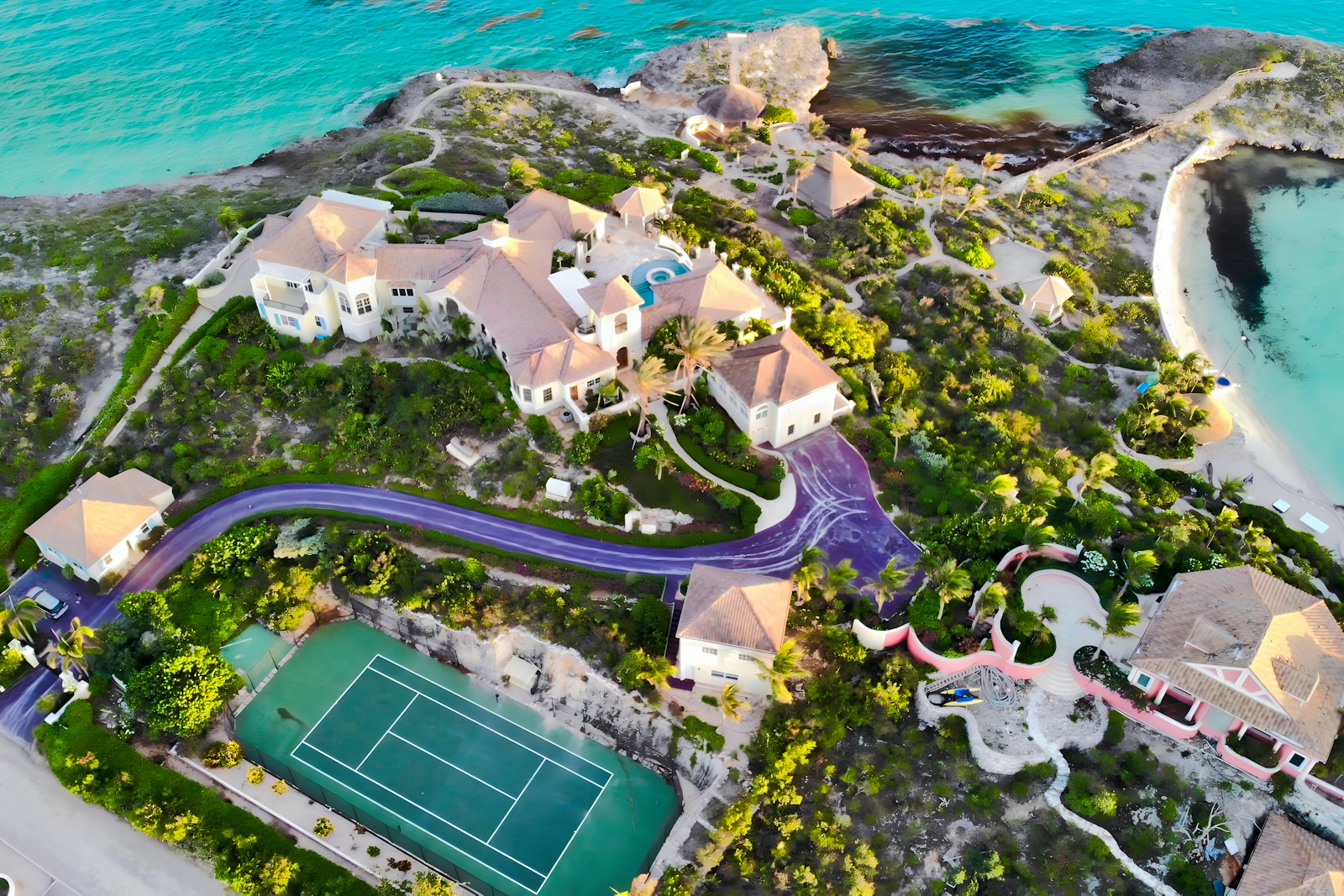
Renting Out Your Turks and Caicos Property: Licences, the 12% Tax and Tighter Enforcement
Investment Strategies
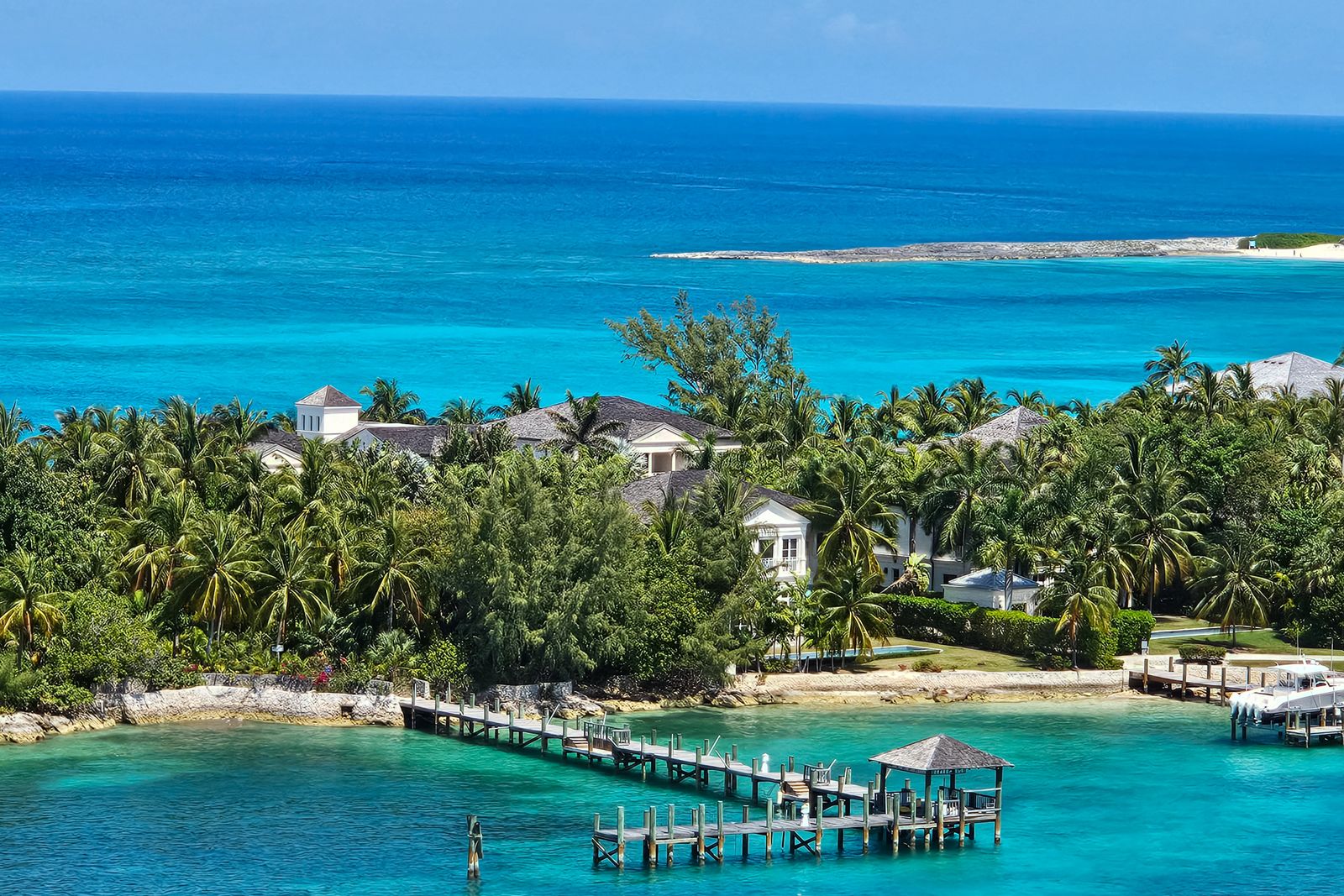
Renting Out Your Bahamas Property: Registration, VAT and the New Property Tax Class
Investment Strategies
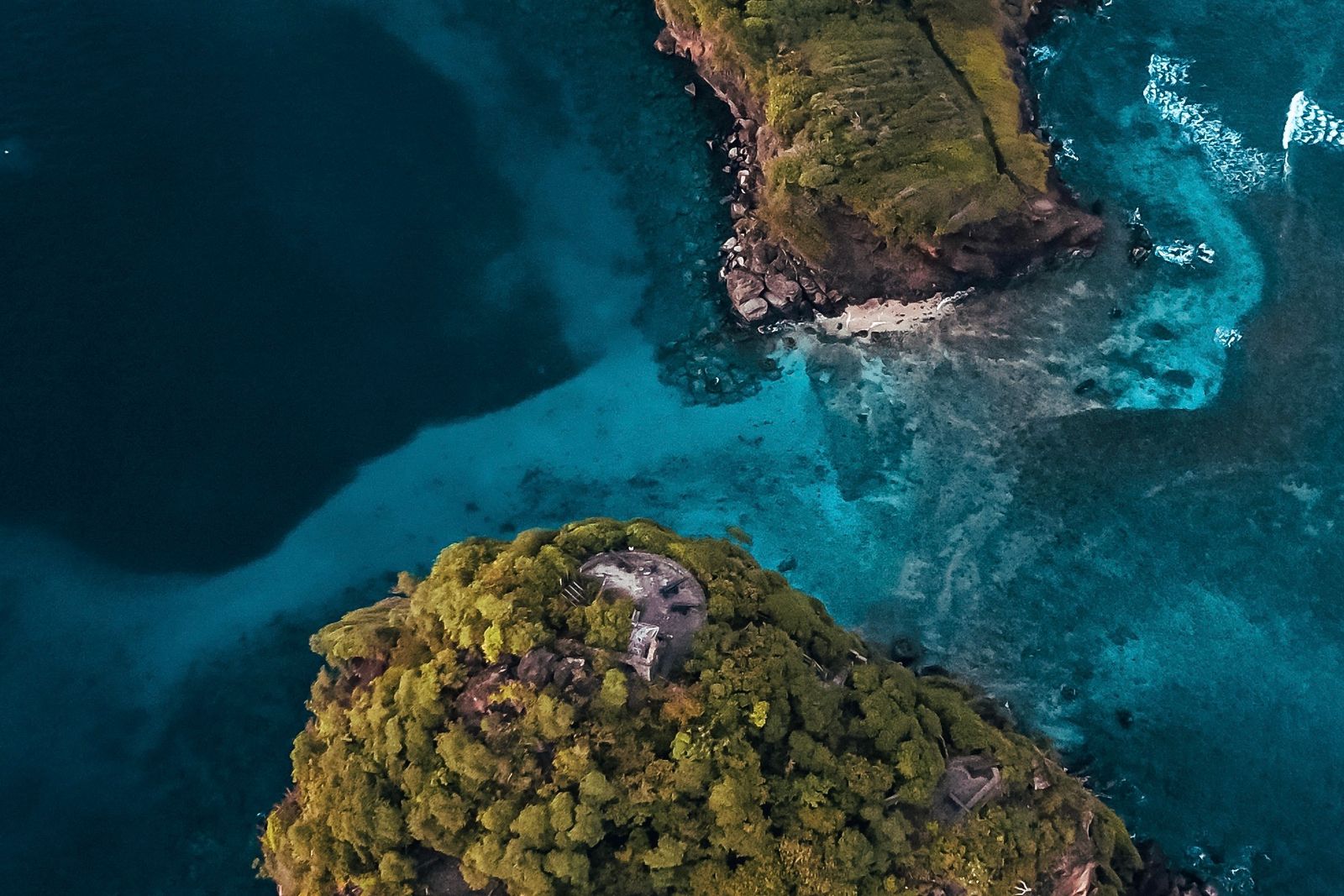
Best Areas to Buy in St Vincent and the Grenadines: Villa, Bequia, Union Island and Beyond
Investment Strategies
Looking for Properties?
Browse homes that match your needs and budget with expert support and personalized advice to help you find your perfect Caribbean property. Get started within 5 days for quality advice to begin searching.