Renting Out Your Bahamas Property:
Registration, VAT and the New Property Tax Class
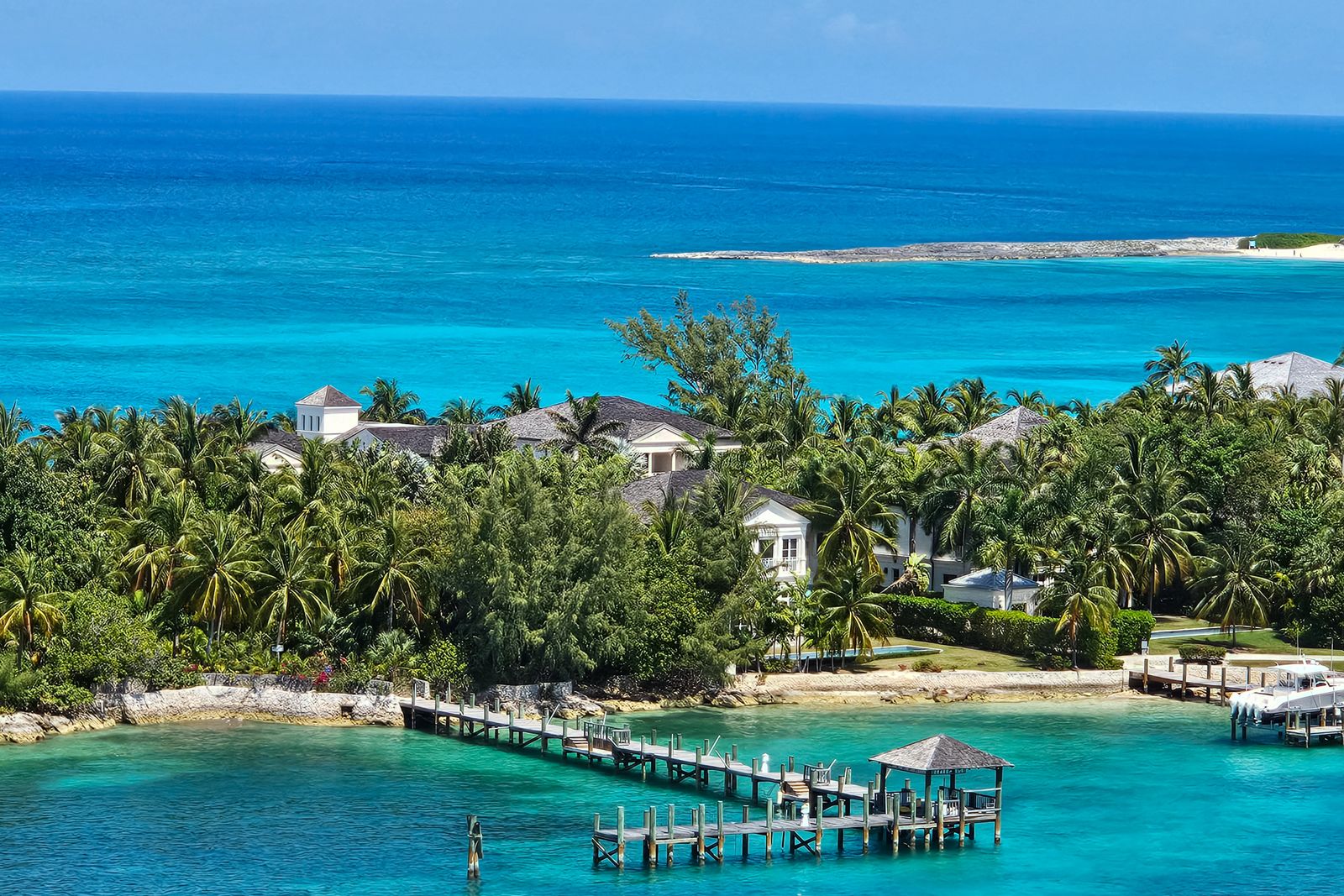
Renting Out Your Bahamas Property: Registration, VAT and the New Property Tax Class
The Bahamas has no income tax, which makes the compliance picture look simple. It is not, because the real charges are VAT, a business licence, a property tax and registration, and several of them apply differently to foreign owners.
Registration and licensing
A compliance guide updated in 2026 says every short-term rental operator must register the property with the Department of Inland Revenue, for free, and hold a Short-Term Vacation Rental licence from the Ministry of Tourism's Hotel Licensing Department. The licence involves an inspection and a short training course, and registration has been required since 2023. Neither source is a government page, so confirm the process with the Department and the Ministry before listing.
Foreign owners must also hold an annual business licence, whatever the rental income, and register with the Bahamas Investments Authority, according to Expat Focus and a 2026 tax guide. The business licence tax runs from 0.5% to 1.25% of turnover, with the top rate above US$5 million.
VAT
VAT is 10%. Foreign homeowners who let a property as a vacation rental must register for VAT whatever their turnover, because the VAT (Amendment) Act 2023 removes the threshold for them, as reported by a 2026 tax guide. For others the registration threshold is about US$100,000. Some older guides quote 12%, which predates the reduction to 10%. A tourist-tax guide says VAT applies to paid stays of under 45 continuous days, and also mentions area-specific promotional charges in Nassau and Cable Beach.
Older compliance pages also describe a separate 10% Hotel Guest Tax. No current official source was found for it, so treat it as unconfirmed and ask the Department of Inland Revenue.
Property tax on rentals
The new class for foreign owner-occupied homes, covered in the cost article earlier in this series, does not apply to rentals. Foreign-owned rental property falls on the commercial scale: 0.75% on the first US$500,000, 1% on the next US$1.5 million and 1.5% above. On a US$1.5 million house that gives about US$13,750 a year, against about US$9,375 at a flat 0.625% for a foreign owner-occupied home, according to one 2026 guide's arithmetic. Property tax is due by 31 March, with a discount reported for paying in full by then.
What it adds up to
Rental income itself is not taxed, but VAT collected from guests, the business licence tax on turnover, the commercial property tax and registration costs all reduce the net. On the scales described, a foreign-owned rental pays more property tax than a comparable owner-occupied home.
What this means for a buyer
Before buying for rental income, get written confirmation from the Department of Inland Revenue of your tax class, your VAT registration and any guest tax. The market and residency articles earlier in this series cover yields and the permanent residency threshold, and the Bahamas rules are changing enough that a guide older than 2026 is probably out of date.
Explore related blogs
View All
Renting Out Your Turks and Caicos Property: Licences, the 12% Tax and Tighter Enforcement
Investment Strategies

Best Areas to Buy in St Vincent and the Grenadines: Villa, Bequia, Union Island and Beyond
Investment Strategies

Best Areas to Buy in St Maarten: Simpson Bay, Cupecoy, Oyster Pond and Terres Basses
Investment Strategies
Looking for Properties?
Browse homes that match your needs and budget with expert support and personalized advice to help you find your perfect Caribbean property. Get started within 5 days for quality advice to begin searching.