Two Flags, One Island:
Everyday Life in St Maarten
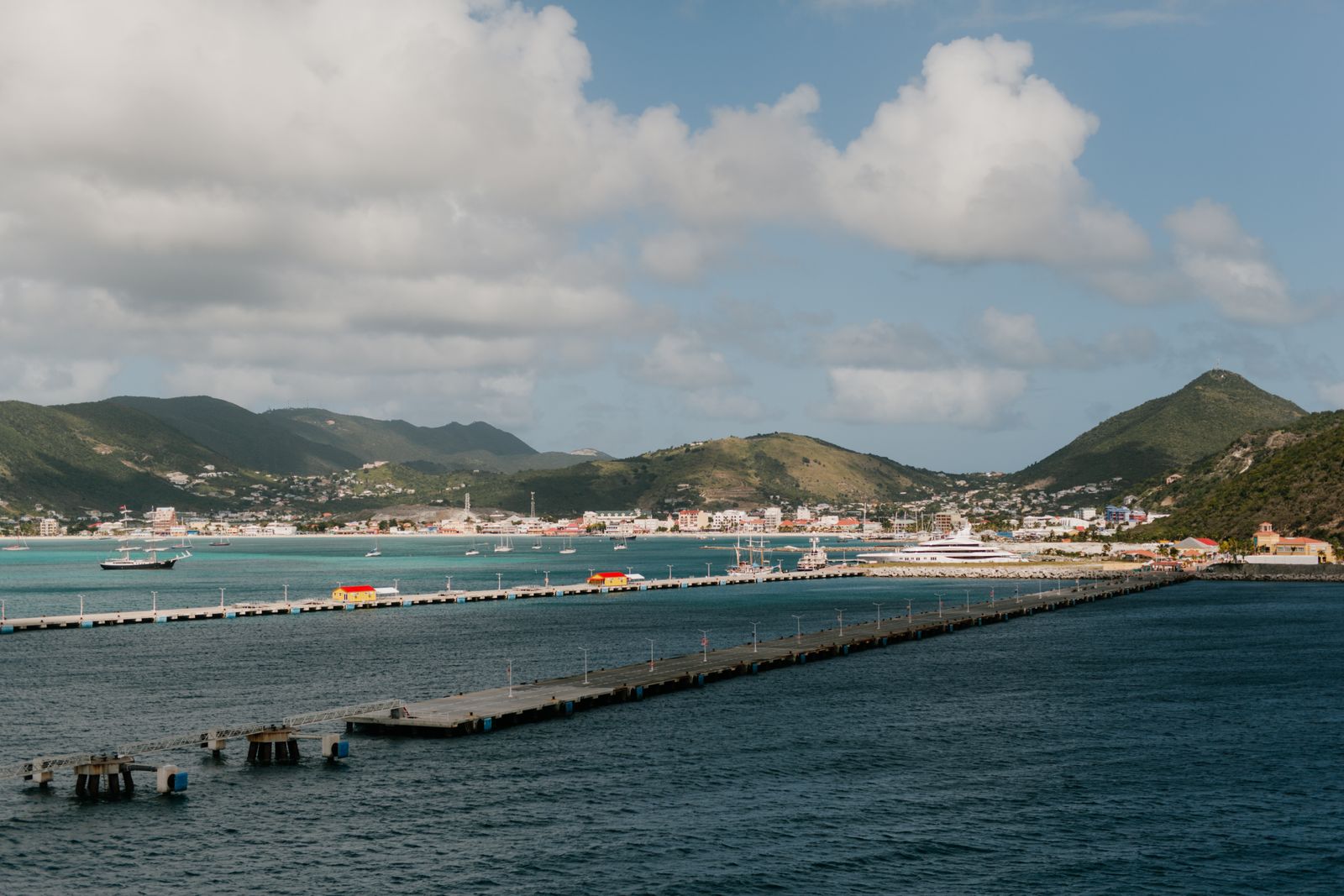
Two Flags, One Island: Everyday Life in St Maarten
St Maarten is one island under two flags, and almost everything about daily life there follows from that. The Dutch side, Sint Maarten, is one of the four constituent countries of the Kingdom of the Netherlands. The French side, Saint-Martin, is an overseas collectivity of France. They have shared the island since the 1648 Treaty of Concordia.
A border you will not see
There is no physical border. Travel guides describe a marker, not a checkpoint, and people and goods cross freely. Plenty of residents live on one side and work or send their children to school on the other. Each side has its own government, its own laws and its own official language, though English is the one most people use day to day. That matters for property, since a Dutch-side purchase runs through a Dutch-style notary, as covered earlier in this series, and a French-side purchase through French law.
Who lives here
The island is unusually international. Researchers at the University of Colorado Natural Hazards Center, working in Sint Maarten after Hurricane Irma, found about 70% of residents were foreign-born, and the tourism board says residents come from more than 100 nations. English dominates for that reason, and hazard warnings on the Dutch side are issued in it. Population estimates differ. One island site gives about 85,000, while the last pre-Irma figure was 75,869, and the Dutch side's official number was still an estimate from 2011 until a census in October 2022.
Two atmospheres
The Dutch side is the busier one: the airport, the cruise port, Philipsburg, the casinos and a lively nightlife, with Carnival and the Heineken Regatta among its big events. The French side is quieter and leans toward European habits, with markets, shopping and Grand Case's restaurants. One island guide lists conch and dumplings as a Dutch-side staple and callaloo soup as a French-side one. The two cultures share enough African, British, French and Dutch heritage that visitors often struggle to say where one stops.
Hurricanes are part of the calendar
Hurricane Irma made landfall as a Category 5 on 6 September 2017, and Hurricane Luis hit in 1995. The researchers' survey of 255 residents found only about 30% evacuated for Irma, a reminder that preparedness is as much about behaviour as buildings. Anyone buying should treat insurance, building standards and evacuation plans as ordinary running costs, and the cost article earlier in this series covers the deductibles.
What it means for a move
Life here suits people who like a crowded, international, English-speaking island with two sets of rules and a short drive to French food. It is less suited to anyone who wants a single legal system or a quiet, homogenous community. Spending a few weeks on both sides before buying shows which one fits.
Explore related blogs
View All
Renting Out Your Turks and Caicos Property: Licences, the 12% Tax and Tighter Enforcement
Investment Strategies
Renting Out Your Bahamas Property: Registration, VAT and the New Property Tax Class
Investment Strategies
Best Areas to Buy in St Vincent and the Grenadines: Villa, Bequia, Union Island and Beyond
Investment Strategies
Looking for Properties?
Browse homes that match your needs and budget with expert support and personalized advice to help you find your perfect Caribbean property. Get started within 5 days for quality advice to begin searching.