The Spice Isle:
Life, Weather and Carnival in Grenada
The Spice Isle: Life, Weather and Carnival in Grenada
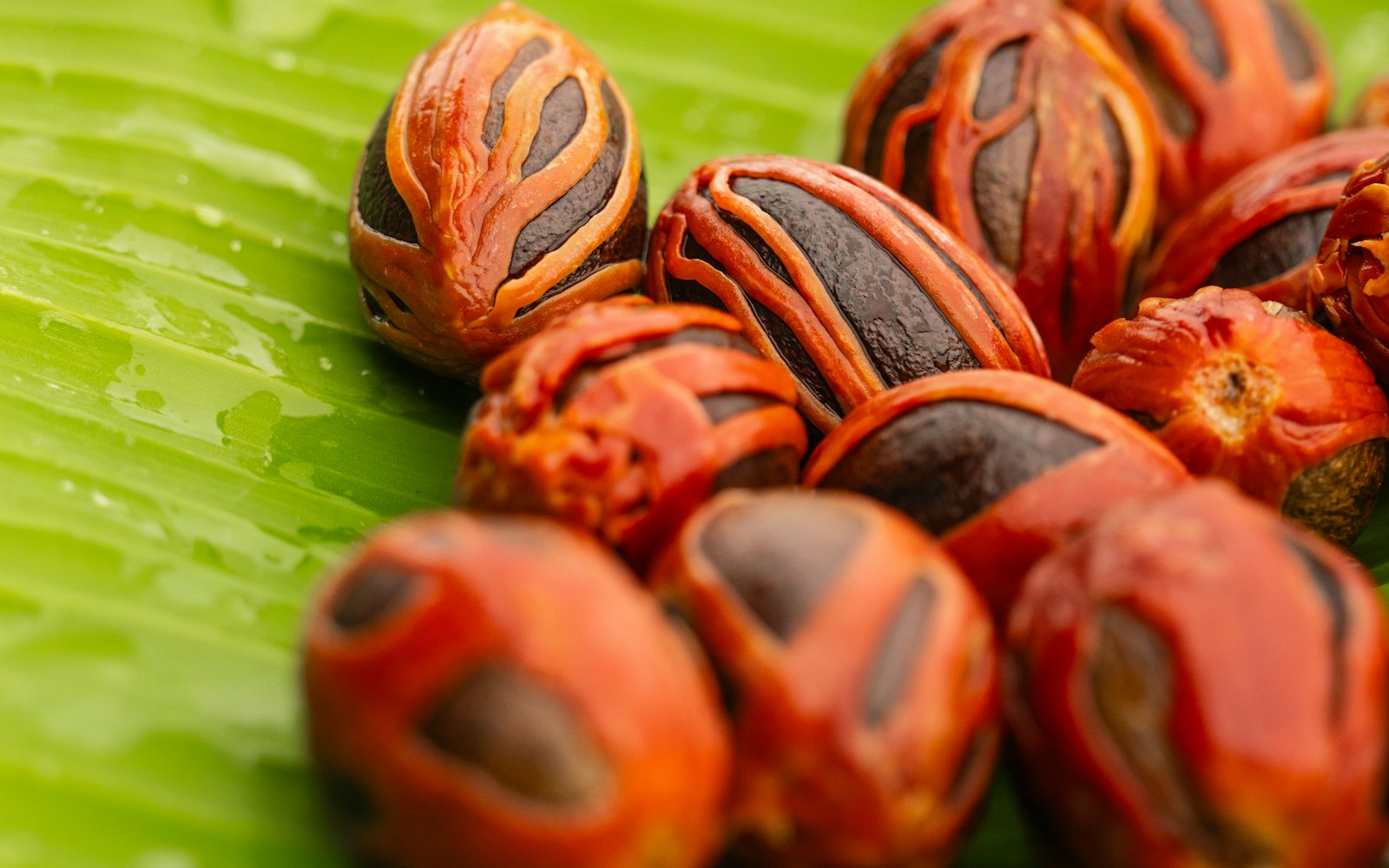
Grenada markets itself as the Spice Isle, and the name is not just branding. Nutmeg and cocoa still grow across the island's interior, and that agricultural backbone shapes the pace of everyday life here in a way that sets it apart from the more resort-driven Caribbean islands.
The climate, honestly
Grenada runs on two seasons rather than four: a drier period from roughly December through May, and a wetter one from June through November, with average daytime highs sitting between 29°C and 30°C for most of the year, tempered by steady trade winds. Sea temperatures stay warm enough for swimming year-round, ranging from around 27°C in the early months to 29°C in September and October.
Grenada sits at the southern edge of the Caribbean hurricane belt, which does reduce its exposure compared with islands further north like the Bahamas or Jamaica. That is not the same as immunity. Hurricane Ivan struck the island directly in September 2004 and caused severe, island-wide damage and infrastructure disruption, and storms including Janet (1955) and Joan (1988) have also hit Grenada over the decades. Anyone relocating should treat hurricane preparedness as a genuine annual consideration between June and November, not a theoretical risk that only applies to other islands.
Spicemas
Grenada's carnival, Spicemas, is the cultural high point of the year. The main parade events, including the Parade of Bands, concentrate in the last week of July into the first week of August, though the broader carnival season, with soca competitions, steel pan orchestras and smaller events, runs for months beforehand starting around April. It is worth knowing that peak Spicemas dates fall during the wetter, hurricane-season months, so anyone timing a visit or a move around it should watch the tropical weather outlook alongside the festival calendar. Carriacou, one of Grenada's sister islands, holds its own smaller carnival, known locally as Kayak Mas.
Food and daily life
Grenadian cuisine reflects the island's spice-growing history directly: nutmeg, cinnamon, cloves and cocoa show up in everything from savoury dishes to rum-based drinks, and the national dish, oil down, a one-pot stew of breadfruit, salted meat, callaloo and coconut milk, is the kind of everyday food that rarely appears on a resort menu but defines how Grenadians actually eat. Fishing remains a genuine local industry rather than a tourist backdrop, and the Saturday market in St George's is where much of the island still does its weekly shopping for fresh produce and fish.
The pace of life
St George's itself, the capital, sits around a natural harbour overlooked by Fort George, and has kept much of its colonial-era architecture and layout despite decades of tourism growth. Life outside the main tourist areas, Grand Anse, True Blue and the marina district, moves at a slower pace than in Barbados or Antigua's more internationally-oriented enclaves. For some relocating buyers that is the entire appeal. For others used to a faster, more anglicised Caribbean lifestyle, it can take real adjustment, and spending an extended period on the island before committing to a purchase is worth doing specifically to test that fit rather than assume it from a two-week holiday.
Getting around and staying connected
Public transport runs mainly through privately-operated minibuses rather than a formal bus network, which works well once residents learn the routes but can feel disorienting at first. Mobile and broadband coverage is solid around St George's, Grand Anse and the main southern tourist corridor, and drops off noticeably in more rural parts of the interior and on the smaller sister islands, worth checking directly if remote work connectivity is a requirement rather than a nice-to-have.
Explore related blogs
View All
Renting Out Your Turks and Caicos Property: Licences, the 12% Tax and Tighter Enforcement
Investment Strategies
Renting Out Your Bahamas Property: Registration, VAT and the New Property Tax Class
Investment Strategies
Best Areas to Buy in St Vincent and the Grenadines: Villa, Bequia, Union Island and Beyond
Investment Strategies
Looking for Properties?
Browse homes that match your needs and budget with expert support and personalized advice to help you find your perfect Caribbean property. Get started within 5 days for quality advice to begin searching.