Sugar Mas to Nevis Peak:
Life Between Two Islands in St Kitts and Nevis
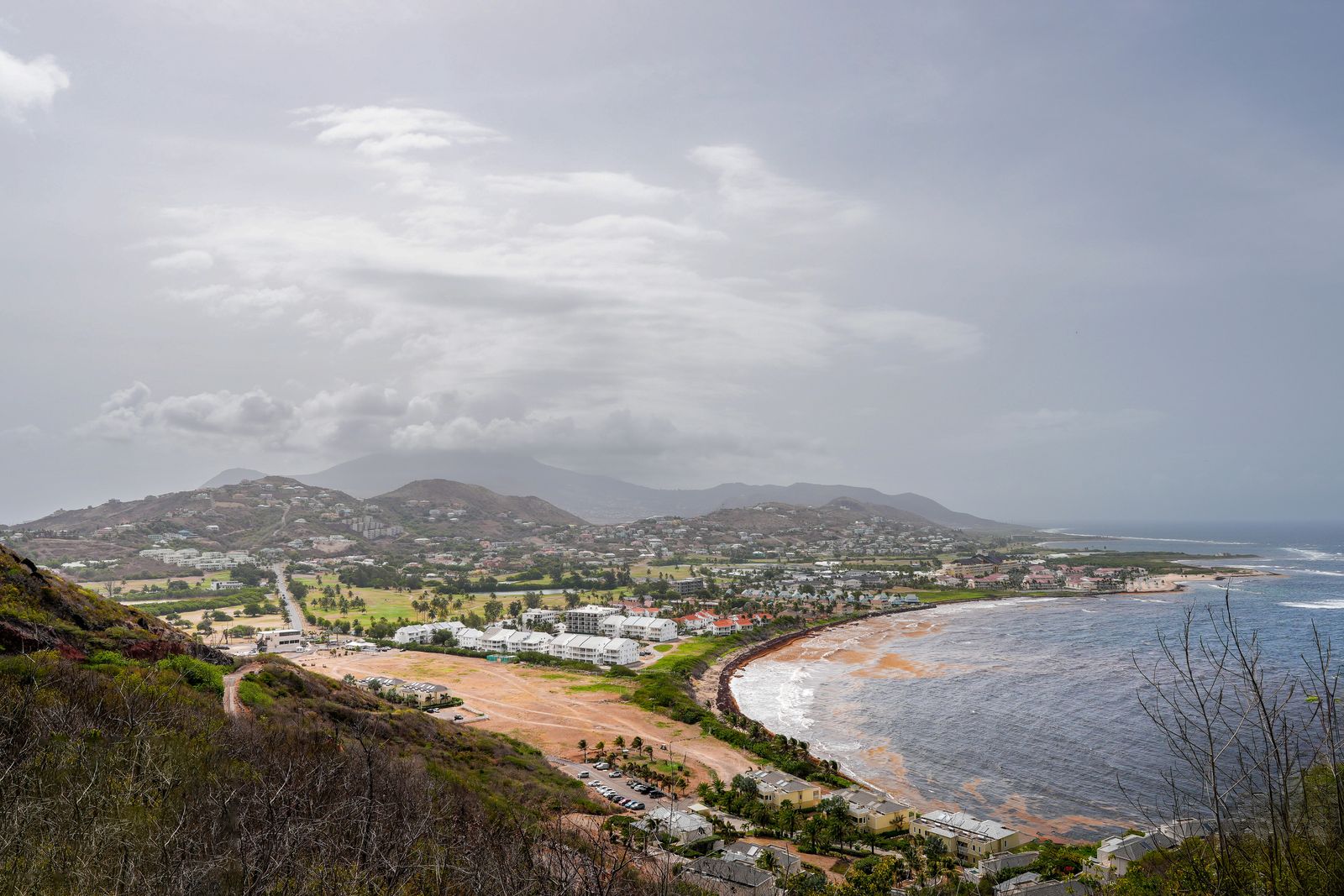
Sugar Mas to Nevis Peak: Life Between Two Islands in St Kitts and Nevis
St Kitts and Nevis runs on a rhythm shaped by two islands, one national carnival, and a sugar-era history that has left a deeper mark on daily life than the modern citizenship-by-investment headlines might suggest.
The climate, and the storm that changed how the islands prepare
St Kitts and Nevis sits firmly in the Atlantic hurricane belt, with the season running June through November and peaking August to October. Direct hits are statistically less frequent than a full season of tropical activity might suggest, but Hurricane Georges in 1998 caused severe, island-wide damage and is widely described as a turning point for the federation's approach to disaster preparedness, a reminder that "relatively rare" is not the same as "will not happen." Rainfall varies sharply by elevation: the coasts receive around 1,000mm a year, while the rainforested peaks of Mount Liamuiga on St Kitts and Nevis Peak on the sister island receive more than 2,000mm, feeding the islands' fresh water supply and the lush green interior that sets them apart from flatter neighbours like Anegada or Turks and Caicos.
Sugar Mas
The national carnival, Sugar Mas, is the cultural centrepiece of the year, running from mid-December through early January. J'Ouvert, held before dawn on 26 December, sees steel and brass bands take to the streets of Basseterre, and the celebrations build through soca and calypso competitions and a Festival of Lights before culminating in the new year. This timing, wrapped around Christmas and New Year rather than the pre-Lent period more commonly associated with Caribbean carnival, is a genuine point of difference from islands like Grenada, where Spicemas runs in August instead.
The rest of the festival calendar
Beyond Sugar Mas, the St Kitts Music Festival runs in late June, and Nevis holds its own distinct celebration, Culturama, across late July and early August, created specifically to reconnect Nevisians with traditional culture separately from the larger, St Kitts-centred national carnival. Independence season in September rounds out a calendar that gives the islands a genuine cultural event roughly every few months rather than concentrating everything into a single annual peak.
Sugar, then and now
Sugar was the foundation of the islands' economy for centuries, and the industry's decline through the second half of the twentieth century culminated in its formal closure by the government after the 2005 harvest. That history remains visible across the landscape in the form of old sugar mills and estate ruins scattered across both islands, and it shows up in local culture too: the national drink, Cane Spirit Rothschild (commonly abbreviated CSR), is distilled from fresh sugar cane, a direct link to the industry that once defined the islands' economy and no longer does.
Food and daily life
St Kitts and Nevis cooking follows the broader West Indian tradition, relatively simple, built around fresh local produce, with goat water (a hearty stew) and saltfish among the dishes most associated with the islands specifically. Brimstone Hill Fortress, a UNESCO World Heritage Site sometimes called the Gibraltar of the West Indies, stands as the most visible reminder of the islands' colonial and military history, and historic churches on both islands, including St George's in Basseterre and the 1643-founded St Thomas' on Nevis, remain active parts of community life rather than purely historical sites.
Two islands, one rhythm
Ferry service connects St Kitts and Nevis, and while the pace of life on both islands shares the same broader Eastern Caribbean tropical rhythm, warm year-round temperatures around 26°C to 28°C, trade winds, a December-to-April dry season, Nevis in particular carries a noticeably quieter, more residential character than the more developed capital area around Basseterre, a distinction worth experiencing directly for anyone deciding which of the two islands actually suits their own pace of life.
Explore related blogs
View All
Renting Out Your Turks and Caicos Property: Licences, the 12% Tax and Tighter Enforcement
Investment Strategies
Renting Out Your Bahamas Property: Registration, VAT and the New Property Tax Class
Investment Strategies
Best Areas to Buy in St Vincent and the Grenadines: Villa, Bequia, Union Island and Beyond
Investment Strategies
Looking for Properties?
Browse homes that match your needs and budget with expert support and personalized advice to help you find your perfect Caribbean property. Get started within 5 days for quality advice to begin searching.