Relocating to St Vincent and the Grenadines:
A Guide for Buyers
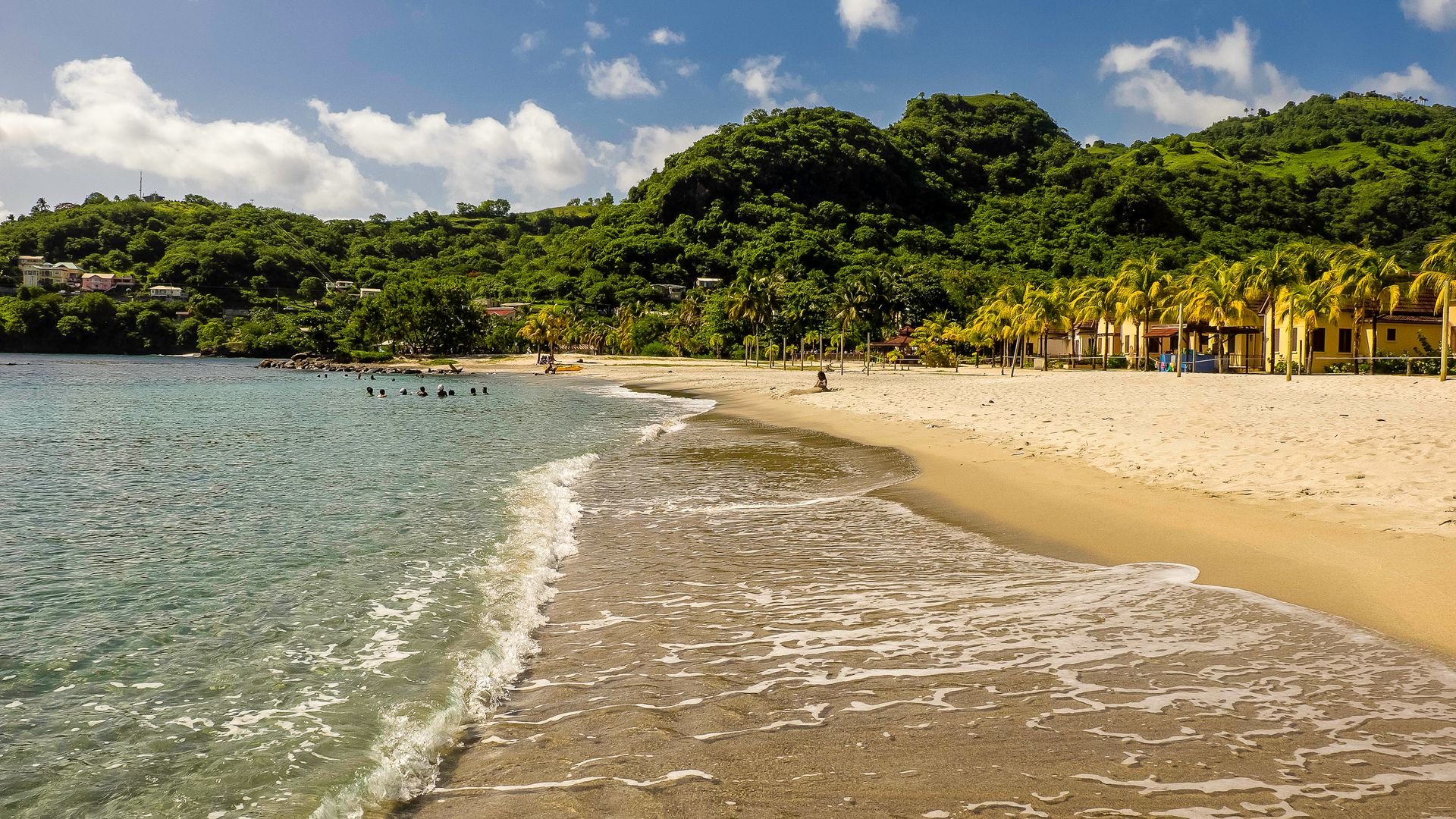
Relocating to St Vincent and the Grenadines: A Guide for Buyers
St Vincent and the Grenadines keeps its property rules centralised: the licence every foreign buyer needs is applied for through the Office of the Prime Minister, not a separate land registry or investment board.
The licence
Non-nationals must obtain an Alien's Landholding Licence before acquiring land, under the Aliens (Land-Holding Regulation) Act. The application goes through the Office of the Prime Minister and is registered via a local attorney-at-law, requiring a detailed applicant CV, bank reference letters and the relevant fees. Applications can be refused where a property is deemed sensitive or strategically important, for instance near a government or military facility.
Current official guidance sets an application fee of EC$2,500, with both the licence fee itself and stamp duty determined by the market value of the property rather than a flat sum. In practice the licence fee is commonly quoted at roughly 4% to 10% of value, and stamp duty at around 10%, usually split between buyer and seller, but ask your attorney for a current figure against the specific property before budgeting, since older flat-fee schedules still circulate online.
Property ownership does not automatically grant residency, though it can support a subsequent long-term residence application.
Tax on the way in
VAT on imported goods is 16%. General customs duty follows the CARICOM Common External Tariff structure common across the region, with rates set by classification, so anyone planning a significant shipment should get a written estimate from a licensed customs broker. Ask the broker, too, about any concession available for personal effects when relocating, and what paperwork it requires.
Driving
St Vincent and the Grenadines drives on the left. New arrivals can generally drive on a valid foreign licence for an initial period before a local licence is required. Confirm the exact window with the local Licensing Authority once a moving date is set, since this detail varies between neighbouring islands more than expected.
Banking
Banking follows the familiar regional pattern of passport, proof of address and source-of-funds documentation.
Healthcare
The Milton Cato Memorial Hospital in Kingstown is the main public facility, supplemented by a smaller private clinic sector. As with much of the Eastern Caribbean, complex procedures are often handled through referral or medical evacuation to a larger regional facility such as Barbados. Private health insurance including evacuation cover is a standard part of the moving budget, particularly for anyone settling on one of the smaller Grenadine islands with more limited local medical infrastructure than the mainland.
Getting there
Argyle International Airport on the St Vincent mainland handles the bulk of international arrivals, with onward inter-island transport, by ferry or light aircraft, needed to reach Bequia, Mustique, Canouan and the other Grenadine islands. Build this into moving timelines and shipping quotes if a property sits away from the mainland.
The Grenadines are still recovering from Hurricane Beryl, which struck in July 2024, and La Soufrière on the mainland erupted in 2021. Our guide to island life in St Vincent and the Grenadines covers both, and what they mean for anyone planning a move.
St Vincent and the Grenadines runs its landholding process through a single government office rather than scattering it across agencies, and current official guidance gives a clearer starting point on fees than several of the secondary sources still circulating online.
This guide is general information at the time of writing, not legal, tax or immigration advice. Rules and figures change, so confirm current requirements with a licensed local attorney or the relevant authority before making decisions.
Explore related blogs
View All
Renting Out Your Turks and Caicos Property: Licences, the 12% Tax and Tighter Enforcement
Investment Strategies
Renting Out Your Bahamas Property: Registration, VAT and the New Property Tax Class
Investment Strategies
Best Areas to Buy in St Vincent and the Grenadines: Villa, Bequia, Union Island and Beyond
Investment Strategies
Looking for Properties?
Browse homes that match your needs and budget with expert support and personalized advice to help you find your perfect Caribbean property. Get started within 5 days for quality advice to begin searching.