Relocating to St Kitts and Nevis:
What the Fees Actually Are
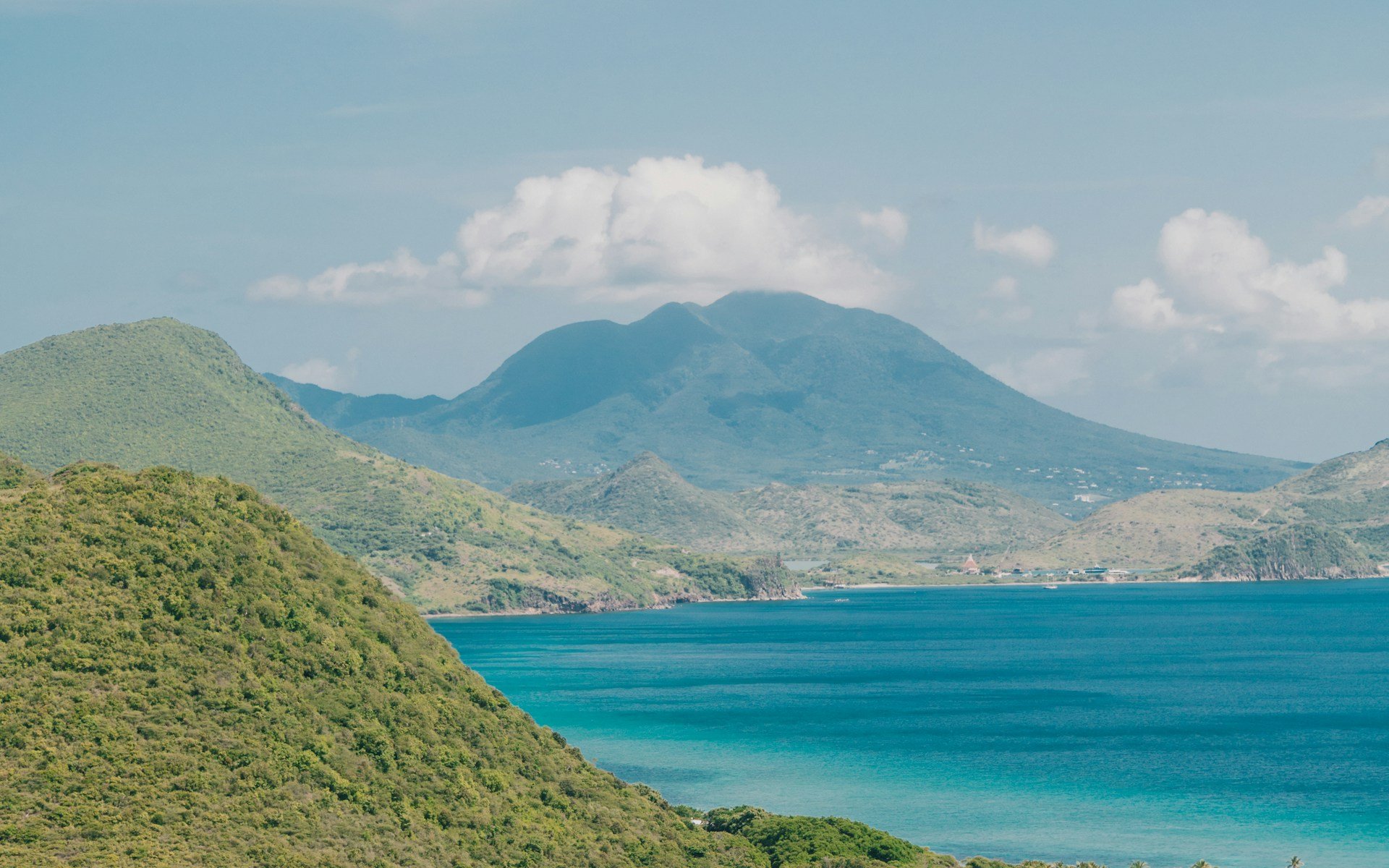
Relocating to St Kitts and Nevis: What the Fees Actually Are
St Kitts and Nevis runs the oldest Citizenship by Investment programme in the world, and its property fees are unusually well documented as a result. That does not make them cheap. It makes them predictable, which matters when building an honest moving budget.
The licence, and the CBI route around it
Non-citizens generally need an Alien Landholding Licence before acquiring an interest in land, under the Aliens Landholding Regulation Act, carrying a fee of 10% of the purchase price. Processing typically runs four to twelve weeks. Buyers purchasing an approved property specifically to qualify for citizenship by investment are exempt from both the licence and its fee, one of the clearest financial incentives in the region for choosing CBI over a standard purchase.
Citizenship by Investment, in real numbers
The CBI programme, running since 1984, currently offers two main real estate thresholds: a minimum of US$325,000 for a condominium unit or share in an approved development, or US$600,000 for a private single-family home designated as an Approved Private Home. Both carry a seven-year holding period before resale. On top of the property cost, government fees currently run around US$25,000 for the main applicant, US$15,000 for a spouse, and US$10,000 per dependant under 18, plus due diligence fees of roughly US$10,000 for the main applicant. Buyers who prefer not to hold real estate can use the Sustainable Island State Contribution fund route instead, with a minimum non-refundable contribution starting around US$250,000 for a single applicant. These figures are revised periodically by CIU circular. Confirm the current schedule with a licensed agent before committing funds.
Tax on the way in
The standard VAT rate is 17%, confirmed by the St Kitts and Nevis Inland Revenue Department, though staple goods including flour, rice, sugar, milk, oats and bread carry a 0% rate. A temporary VAT cut to 13% applied from January to June 2025, and the standard rate returned to 17% on 1 July 2025, a reminder that even confirmed government rates shift with the annual budget. Import duty on general goods varies by tariff classification, on top of a separate Customs Service Charge and Excise Tax applied to specific goods, so get a written estimate from a licensed customs broker before shipping anything substantial. Vehicle imports carry a reputation for being expensive relative to the vehicle's actual value.
Selling on
Stamp duty on a resale is typically in the 6% to 10% range and is usually paid by the seller, though the split can be agreed differently, so confirm it with your attorney. There is no tax on long-term capital gains, a long-term advantage for anyone thinking as far ahead as an eventual exit, but gains on assets sold within 12 months of purchase may be taxed.
Driving
St Kitts and Nevis drives on the left. New arrivals can typically drive on a valid foreign licence for an initial period before a local licence is required. Confirm the exact window with the local Licensing Authority once a moving date is set, since this varies enough between islands that a neighbour's rule cannot be assumed to match.
Banking
Banking follows the familiar regional pattern of passport, proof of address and a source-of-funds declaration. CBI applicants generally find account opening smoother once their citizenship documentation is in hand.
Healthcare
St Kitts and Nevis has a public hospital on each island, the Joseph N. France General Hospital in Basseterre and the Alexandra Hospital in Charlestown, alongside a smaller private clinic sector. Most long-term foreign residents carry private health insurance, and more complex procedures are typically handled through medical evacuation to a larger regional facility.
Buyers who decide on the CBI route from the outset remove the single biggest fee in the standard process. For those buying outside CBI, the 10% licence fee is a known, government-set cost, which at least makes it straightforward to plan around.
Update, September 2026: Cabinet approved a Citizenship (Amendment) Bill on 14 September 2026, and it was scheduled for first reading in the National Assembly on 18 September. It would let certain adults born abroad, whose parent or grandparent became a citizen at Independence, register as citizens, and so buy property without the Alien Landholding Licence. It is proposed legislation, not yet law, so track its progress rather than assume it applies.
This guide is general information at the time of writing, not legal, tax or immigration advice. Rules and figures change, so confirm current requirements with a licensed local attorney or the relevant authority before making decisions.
Explore related blogs
View All
Renting Out Your Turks and Caicos Property: Licences, the 12% Tax and Tighter Enforcement
Investment Strategies
Renting Out Your Bahamas Property: Registration, VAT and the New Property Tax Class
Investment Strategies

Best Areas to Buy in St Vincent and the Grenadines: Villa, Bequia, Union Island and Beyond
Investment Strategies
Looking for Properties?
Browse homes that match your needs and budget with expert support and personalized advice to help you find your perfect Caribbean property. Get started within 5 days for quality advice to begin searching.