Relocating to St Barthélemy:
A Guide for High-Net-Worth Buyers
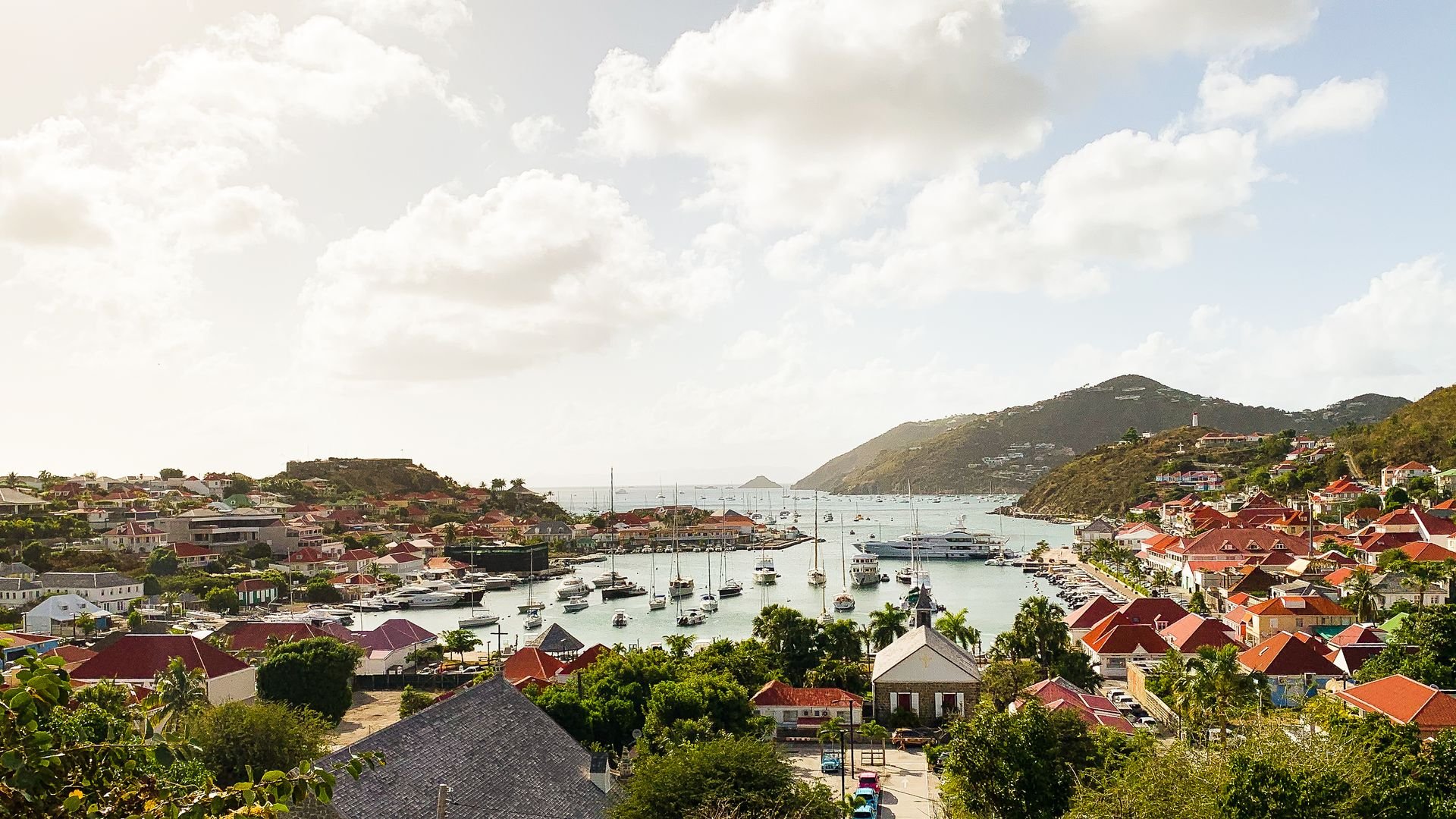
Relocating to St Barthélemy: A Guide for High-Net-Worth Buyers
St Barthélemy runs on a contradiction that takes new arrivals a while to work out: it is one of the most expensive stretches of real estate in the Caribbean, and one of the least taxed. The two facts sit together for reasons worth understanding properly before a move, not after.
Buying property
There are no restrictions on foreign ownership of property in St Barthélemy. A British, American or Italian passport buys on exactly the same legal terms as a French one, through the standard French notarial process: a preliminary contract (compromis de vente) followed by the notarial deed (acte authentique). Registration duty on completion is 5% of the price, paid to the Collectivité, combining with the notary's fee and land registry charges into a total buyer transaction cost typically in the 6% to 7% range. These costs are set by law and paid by the buyer. Estate agency fees are separate, and the agency mandate says whether the buyer or the seller pays them.
Where St Barthélemy stands apart from mainland France is what happens after completion. The island levies no annual property tax of the mainland French type (taxe foncière), though property held through certain companies, trusts and similar arrangements can be charged an annual tax of 3% of its market value unless an exemption applies. St Barthélemy tax residents are not subject to France's property wealth tax (IFI) on island property. Everyone else should take advice, since the position depends on the owner's own tax residence rather than simply on where the property sits. Tax residency on the island only begins after five years of living there. Once that threshold is met, St Barthélemy levies no income tax on its residents, and France treats them as non-residents, taxing only their French-source income. Until then, people who move to the island are generally treated as tax resident in France, so this needs checking with a French tax specialist alongside a buyer's home country tax position.
Financing and estate planning
Mortgages are available on the island, and bank lending there reached €1.2 billion at the end of 2025, but lenders look closely at non-resident borrowers, usually expect a substantial deposit and apply strict source-of-funds checks. Many international buyers pay cash or borrow through a private bank in their home country instead, though there is no published breakdown of how many purchases are financed. Buyers commonly use a Société Civile Immobilière, a French property-holding company structure, both for succession planning and to work around the forced-heirship rules that apply to French real estate, which can otherwise reserve a share of a property for children regardless of what a will says. Choose the structure with advice before signing the preliminary contract, because some company and trust structures can trigger the island's 3% annual tax on market value.
Customs
St Barthélemy sits outside the EU's customs and fiscal territory, confirmed by France's own customs authority. This is why Gustavia has built a reputation for duty-free shopping, and most goods brought onto the island avoid the customs duty and VAT that would apply almost anywhere else in the EU. It is not entirely free of local charges, though: a droit de quai (dock duty) of 5% applies to goods brought onto the island, rising to 8% on vehicles. Anything later re-exported to mainland France, another EU country or the US may attract duty at that end under the destination's own rules, worth checking with a shipping agent for anything valuable.
Residency and visas
St Barthélemy is a French overseas collectivity, but it sits outside the Schengen Area entirely, something France's own visa service states explicitly. A Schengen visa does not automatically authorise entry to St Barthélemy, and a St Barthélemy visa does not automatically authorise entry to Schengen. Visa requirements depend on nationality, length of stay and purpose, and anyone planning to live on the island should check the specific St Barthélemy requirements through France-Visas rather than assume the standard 90-day Schengen rule carries over. Property ownership does not itself create a right of residence.
Getting there and settling in
Most flights connect through St Maarten's Princess Juliana International Airport, since St Barthélemy's own Rémy de Haenen Airport (also known as Gustaf III) has a famously short runway limiting it to smaller aircraft. Shipping typically routes through the same regional hub, so building in extra time for onward transfer matters when planning a move. The US dollar is widely accepted alongside the euro in shops and restaurants, though the euro is the official currency, and day-to-day banking runs through French or European institutions rather than the offshore-style banks found across the Anglophone Caribbean.
None of this makes St Barthélemy a bureaucratic obstacle course in the way parts of the OECS can be. It calls for a different kind of preparation: a realistic view of financing, proper estate planning around French inheritance law, and checking the island's own visa rules instead of assuming Schengen terms apply.
This guide is general information at the time of writing, not legal, tax or immigration advice. Rules and figures change, so confirm current requirements with a licensed local attorney or the relevant authority before making decisions.
Explore related blogs
View All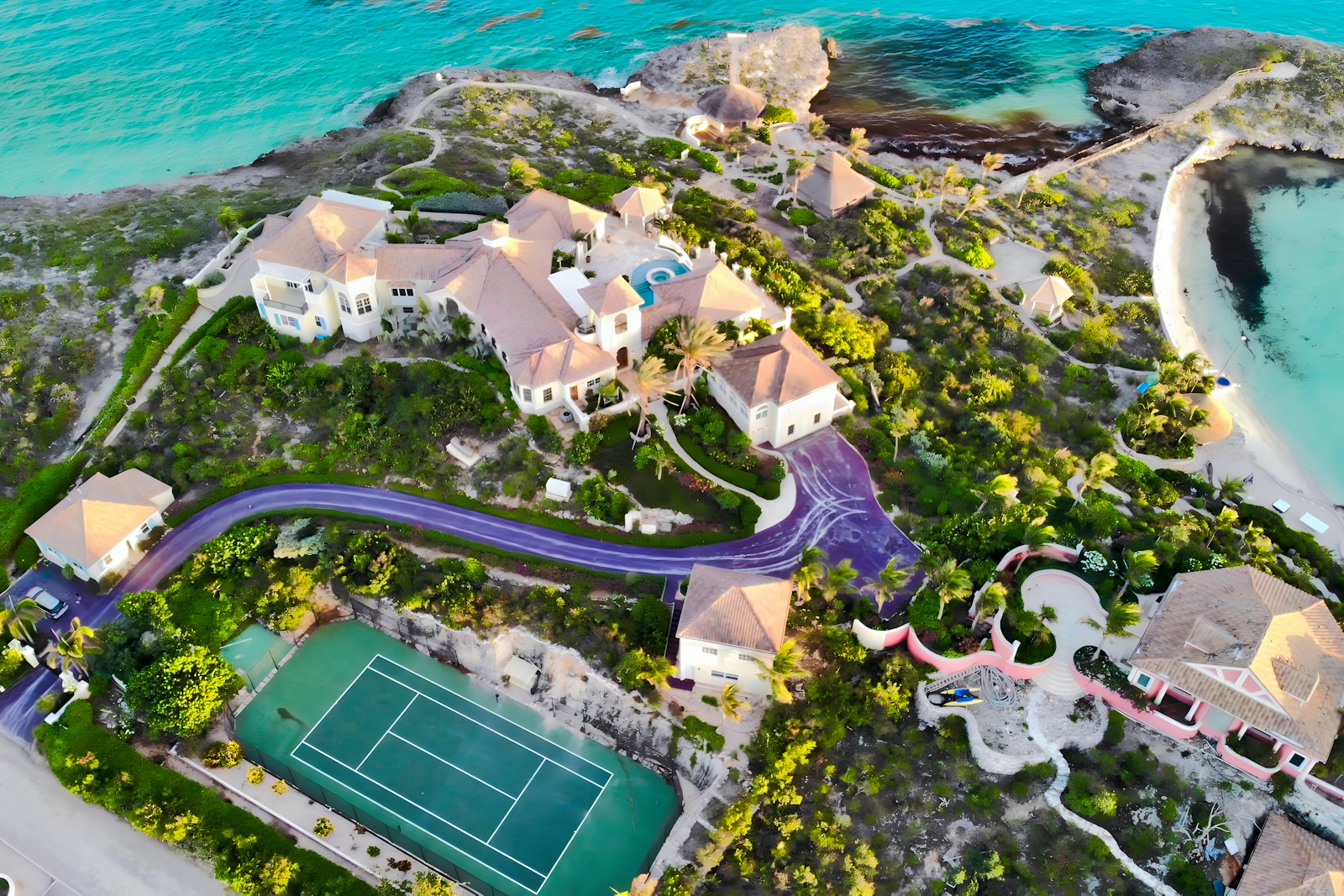
Renting Out Your Turks and Caicos Property: Licences, the 12% Tax and Tighter Enforcement
Investment Strategies
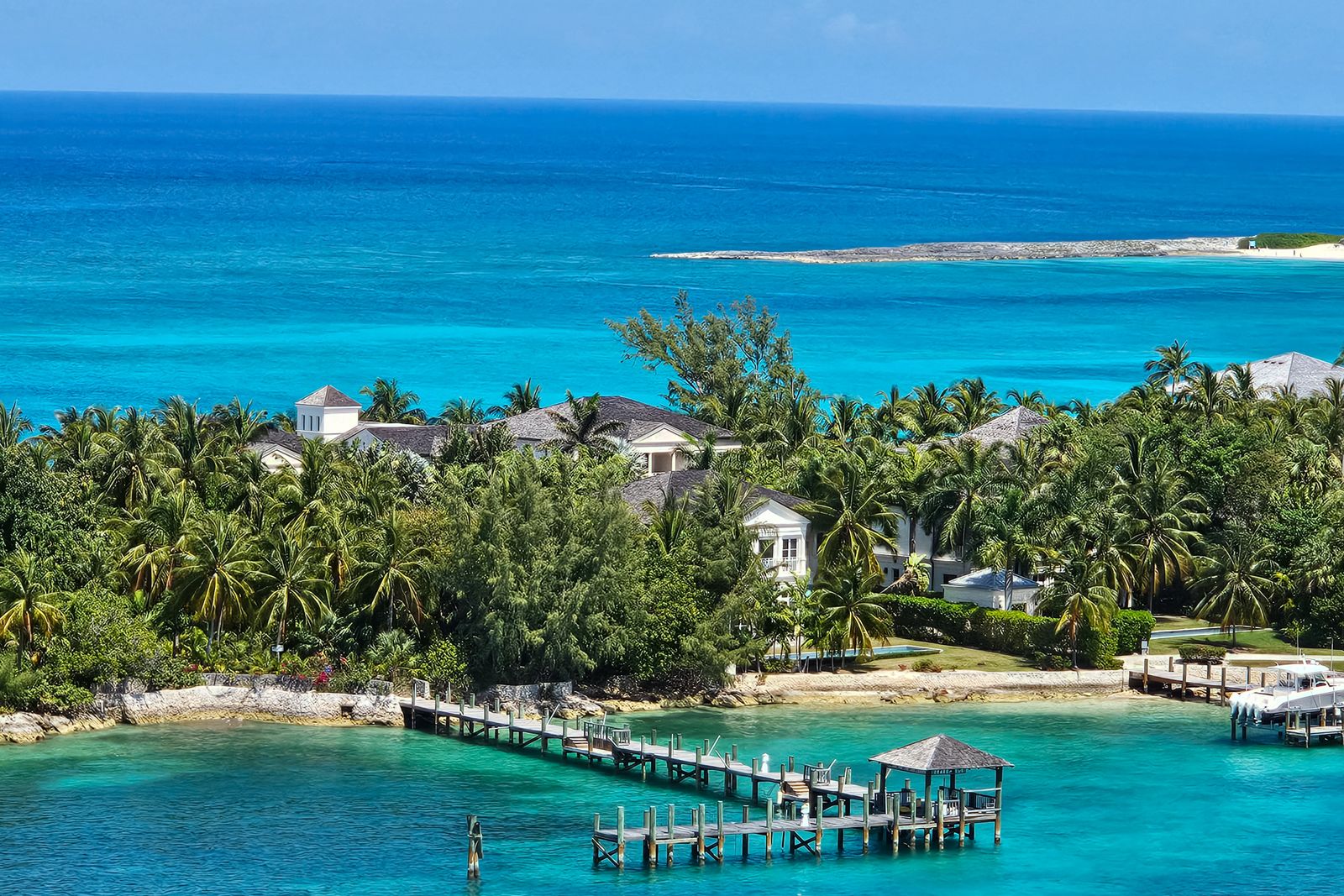
Renting Out Your Bahamas Property: Registration, VAT and the New Property Tax Class
Investment Strategies

Best Areas to Buy in St Vincent and the Grenadines: Villa, Bequia, Union Island and Beyond
Investment Strategies
Looking for Properties?
Browse homes that match your needs and budget with expert support and personalized advice to help you find your perfect Caribbean property. Get started within 5 days for quality advice to begin searching.