Relocating to Grenada:
A Guide for Overseas Buyers
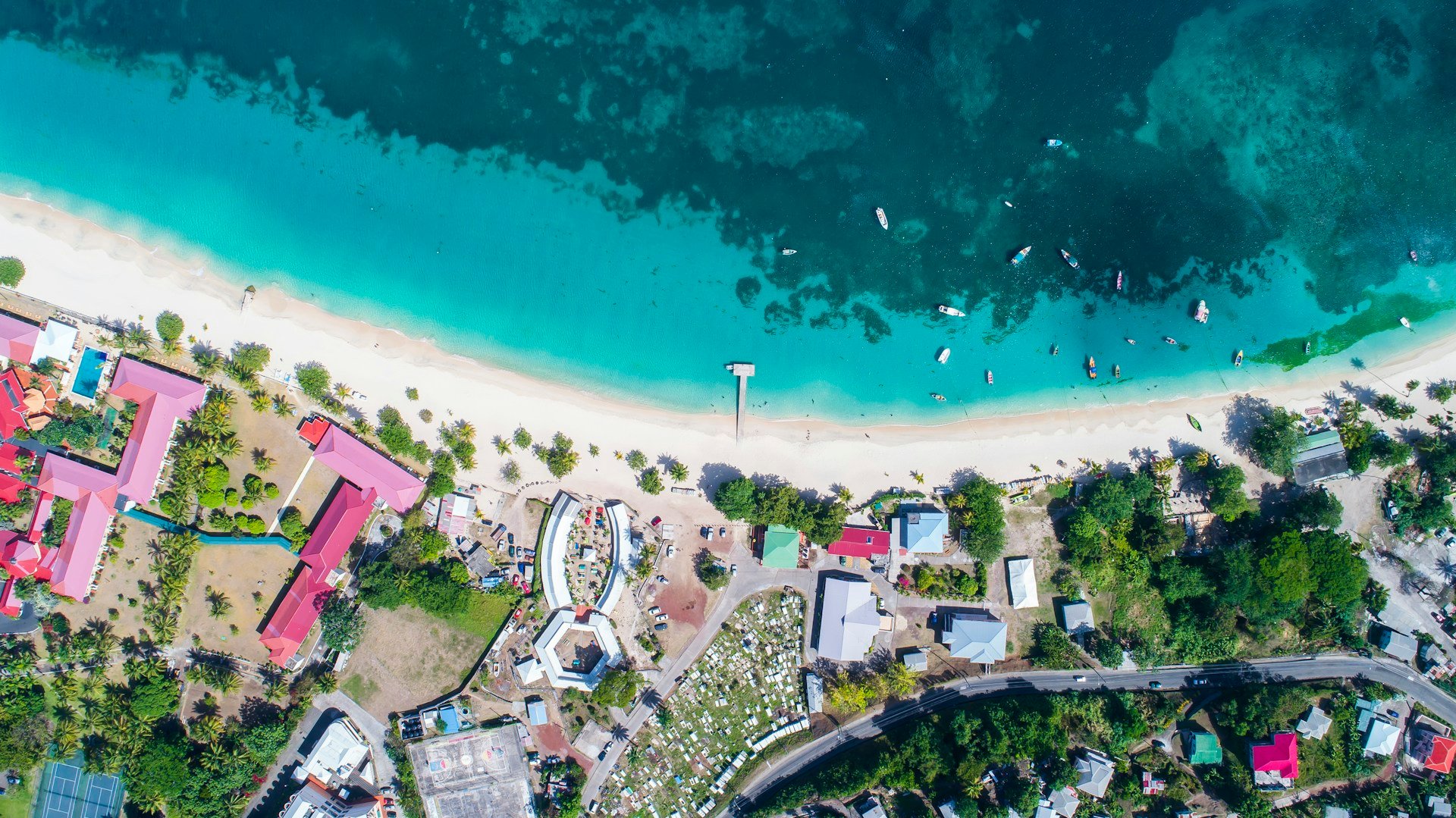
Relocating to Grenada: A Guide for Overseas Buyers
Grenada's property market runs on rules that will feel familiar if you have already read about Antigua or St Kitts, since all three share the OECS pattern of an Alien Landholding Licence. Where Grenada differs is in the detail, and the detail is where the actual cost of buying gets decided.
Buying property: the licence, in real numbers
Almost every non-Grenadian buyer needs an Alien Landholding Licence before completing a purchase, and the fee here is quoted consistently by the local agencies that actually process these applications: 10% of the purchase price, generally reduced by the value attributed to furniture and contents where applicable. The application typically takes three to six months and requires a police certificate and character references submitted through your attorney. Buyers purchasing through an approved Citizenship by Investment project may be able to have this fee waived, which is worth confirming with your attorney and one of the more concrete financial reasons that route appeals to people already planning a substantial purchase rather than a modest one.
On top of the licence, non-national sellers of land pay a Property Transfer Tax of 15% of the agreed sale price when they eventually sell, against 5% for Grenadian nationals and other OECS citizens, with the first EC$20,000 of the sale exempt; other types of property are taxed at different rates. This tax falls on the seller rather than the buyer, so it matters most if you are thinking years ahead to an eventual exit rather than at the point of purchase itself. Stamp duty and legal fees add a further 1% and roughly 2% respectively, plus VAT on the legal fees.
Citizenship by Investment
Grenada's CBI programme is one of the more established in the region. Approved real estate projects, government contribution options, and the associated due diligence process are worth discussing directly with a licensed agent, since minimum investment thresholds are periodically revised and this guide is not the place to pin a number that could be out of date within months. The same goes for travel benefits such as visa-free access to particular countries, which change as agreements are signed or revised.
What customs actually involves
Grenada runs the same pattern found in Antigua: there is a generous-sounding "Returning Nationals" concession, including a household and personal effects allowance and a 50% vehicle concession, but Grenada Customs' own guidance is explicit that this programme is for Grenadian nationals returning home, not for foreign nationals relocating for the first time. If you are moving to Grenada as a non-national, expect the standard regime instead: import duty under the CARICOM Common External Tariff ranging broadly from 0 to 40% depending on the category of goods, a 15% VAT applied to the landed cost including duty, and a Customs Service Charge that typically runs around 6% of the CIF value. Household and personal effects can be shipped ahead of your arrival, generally no more than three months early, and will sit with the Grenada Ports Authority (with storage charges accruing) until cleared.
Driving
Visitors and new residents can generally drive on a valid foreign licence for a limited initial period before needing to obtain a Grenadian licence, a pattern consistent with most of the English-speaking Caribbean. Grenada drives on the left. As with several details in this guide, the precise visitor-to-resident transition window is worth confirming directly with the Grenada Licensing Authority once you have a firm moving date, since minor administrative rules like this can change without much notice and are faster to check locally than to search for.
Banking
Non-residents can open accounts with Grenadian banks, generally requiring a passport, proof of address, and a declaration of the source of funds. Large transactions, including many property purchases, can involve additional approvals, so it is worth asking your bank and attorney early what will be required, since those steps add time to the transaction.
Healthcare
Grenada's main public facility, General Hospital in St George's, handles a broad range of care, but most long-term foreign residents carry private health insurance and use one of the island's private clinics for routine and specialist treatment, with more complex procedures often referred off-island to Trinidad, Barbados or further afield. Anyone relocating permanently should treat comprehensive private cover as a standard cost of the move rather than an optional extra, particularly given the limited scale of specialist care available locally.
Getting the sequence right
The single most useful thing to take from Grenada's system is that "returning national" concessions across this region are generally aimed at citizens rather than foreign buyers, no matter how the marketing around a particular island's relocation appeal reads. Budgeting for the standard duty and tax regime from the outset, rather than hoping a concession will apply, tends to produce a much more accurate moving budget.
This guide is general information at the time of writing, not legal, tax or immigration advice. Rules and figures change, so confirm current requirements with a licensed local attorney or the relevant authority before making decisions.
Explore related blogs
View All
Renting Out Your Turks and Caicos Property: Licences, the 12% Tax and Tighter Enforcement
Investment Strategies
Renting Out Your Bahamas Property: Registration, VAT and the New Property Tax Class
Investment Strategies

Best Areas to Buy in St Vincent and the Grenadines: Villa, Bequia, Union Island and Beyond
Investment Strategies
Looking for Properties?
Browse homes that match your needs and budget with expert support and personalized advice to help you find your perfect Caribbean property. Get started within 5 days for quality advice to begin searching.