Buying and Living in the Dominican Republic:
A Realistic Breakdown of Costs
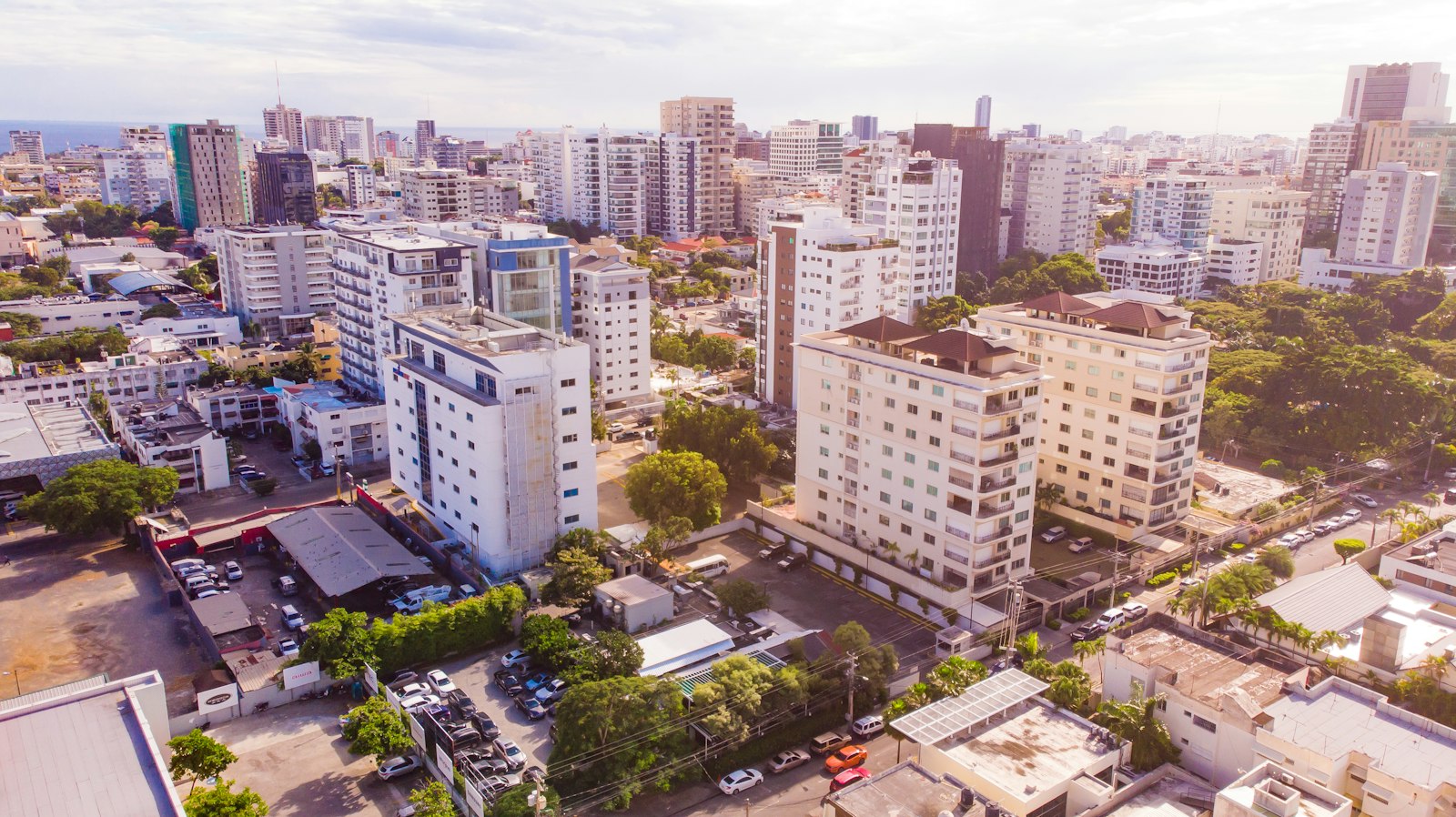
Buying and Living in the Dominican Republic: A Realistic Breakdown of Costs
Two numbers matter when you price a move to the Dominican Republic: what it costs to buy, which is knowable, and what it costs to live, which depends heavily on who you ask. The first changed in June 2026.
What buying costs
The main transaction tax is the 3% real estate transfer tax, charged on the higher of the contract price and the tax authority's valuation and paid by the buyer before the title is registered. A fixed stamp cost of roughly US$100 and legal fees of around 1% to 1.5% sit on top. There is no ITBIS, the Dominican VAT, on the sale of constructed property itself, though 18% ITBIS applies to many goods and services around a purchase.
Law 30-26, promulgated on 18 June 2026, did not repeal the 3% transfer tax. It changed two other things. A separate 2% tax on real estate transactions under the mortgage registration law is being phased out, falling to 1% in 2027 and disappearing in 2028. The law also cut capital gains tax on real estate sales by individuals to a flat 10%, with exemptions for reinvesting in a primary residence within six months and for sellers over 65 selling their main home. Guides published before the law still quote 25% or 27%, and are out of date.
What owning costs
The annual property tax, the IPI, is 1% of assessed value above an exempt threshold, which for 2026 is RD$10,695,494. It is paid in two instalments, on 11 March and 11 September, and falls on whoever owns the property on 1 January. Many mid-market homes sit below the threshold and owe nothing. First purchasers of units in CONFOTUR-approved projects can be exempt from property tax for fifteen years, though the benefit attaches to the project's approval, so ask for the approval document.
What living costs, and why the numbers disagree
Estimates of a single person's monthly budget run from about US$574 to US$1,148 on one data site, US$1,200 to US$1,800 on Expat Focus, and US$1,500 to US$2,500 for a comfortable expatriate lifestyle on a Dominican property portal. The gaps come from lifestyle assumptions, not from arithmetic.
Some line items are firmer. Wise's data puts a one-bedroom in central Santo Domingo at around US$747 a month and outside the centre at around US$384, with Punta Cana's central average closer to US$953. Utilities for an 85 square metre apartment average around US$101 a month, with internet about US$38 extra. The Expat Focus guide gave an exchange rate of about RD$61 to the dollar in March 2026.
The swing factors
Electricity is the least predictable bill. Moderate use in a one-bedroom is quoted at US$40 to US$100 a month, while regular air conditioning pushes it to US$150 to US$300 or more. Tourism-driven areas cost more: one portal puts imported groceries at Punta Cana supermarkets 20% to 30% above Santo Domingo.
Anyone budgeting for a move should work from the specific neighbourhood and the specific property, check the air conditioning load, and compare rents with a local agent. A national average is a starting point at best.
Explore related blogs
View All
Renting Out Your Turks and Caicos Property: Licences, the 12% Tax and Tighter Enforcement
Investment Strategies
Renting Out Your Bahamas Property: Registration, VAT and the New Property Tax Class
Investment Strategies

Best Areas to Buy in St Vincent and the Grenadines: Villa, Bequia, Union Island and Beyond
Investment Strategies
Looking for Properties?
Browse homes that match your needs and budget with expert support and personalized advice to help you find your perfect Caribbean property. Get started within 5 days for quality advice to begin searching.