Beyond Tortola:
Lesser-Known Islands Worth Exploring in the BVI
Beyond Tortola: Lesser-Known Islands Worth Exploring in the BVI
Most visitors to the British Virgin Islands land on Tortola and never leave it. The territory's other main islands, Virgin Gorda, Anegada and Jost Van Dyke, each have a distinctly different character, and knowing what sets them apart matters as much for a prospective buyer sizing up lifestyle as for a holidaymaker.
Virgin Gorda: the most picturesque
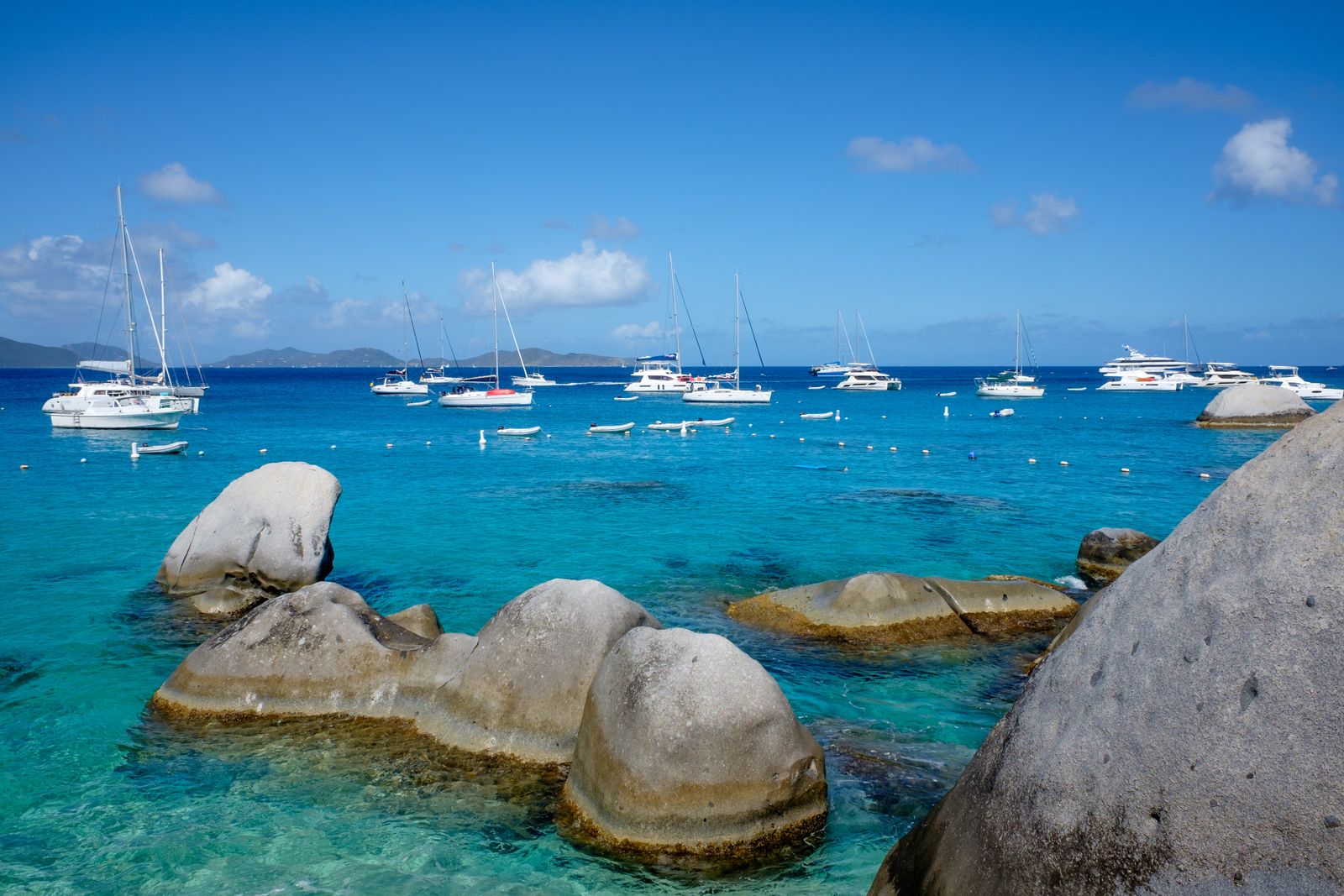
Virgin Gorda, the BVI's third-largest island, is widely regarded as the archipelago's most picturesque landmass. Its main draw is The Baths, a beach area formed from massive granite boulders (geologically known as batholiths) that create sheltered sea pools and shaded grottoes along the shoreline, a formation quite distinct from the volcanic origin of most of the surrounding islands. Christopher Columbus is said to have named the island for its profile on the horizon, which reminded him of a reclining woman. Spanish Town, Virgin Gorda's largest settlement, offers a more developed base with yacht clubs, dining and luxury lodging, alongside remnants of early African, Spanish and Indian settlements scattered across the island's history.
Anegada: the flat one
Anegada stands apart from every other island in the BVI chain for a simple reason: it is coral and limestone rather than volcanic, and rises no more than 28 feet above sea level at its highest point. That flat topography produces striking coral reefs, secluded beaches and clear springs bubbling up from coral beds, a markedly different landscape from the green, mountainous islands most visitors picture when they think of the BVI. The island's main township, The Settlement, has a distinctly slower, more local character, and the Flamingo Pond and Conch Shell Mounds, which from a distance resemble sand dunes rising from the sea, are among its more distinctive natural landmarks.
Jost Van Dyke: small, sleepy and richly layered
Jost Van Dyke is one of the BVI's smallest inhabited islands, yet its settlement history is remarkably diverse: archaeological evidence points to visits and habitation by the Arawak, Caribs, Africans, the British and the Dutch over the centuries, a melting-pot history the tourism board itself credits with the island's distinctive beachside food scene, spanning barbecue, Indian and seafood menus at eateries scattered along its shore. Great Harbour is the island's primary bay and the main arrival point via the daily ferry from Tortola's West End, since Jost Van Dyke has no airport of its own. White Bay, one of the BVI's most photographed beaches, sits on the island and has become a well-known stop on the regional sailing circuit.
Getting between the islands
Inter-island travel in the BVI runs primarily on ferries and private charter boats rather than a dense flight network, reflecting the territory's identity as one of the world's premier sailing destinations. Tortola functions as the practical hub for most connections, whether arriving from elsewhere in the Caribbean or moving on to Virgin Gorda, Jost Van Dyke or one of the smaller cays.
What this means for a visitor or a buyer
Each of these three islands answers a different question about what someone wants from the BVI. Virgin Gorda suits anyone drawn to natural spectacle and a slightly more developed base. Anegada suits those after genuine seclusion and an entirely different, flatter landscape from the rest of the territory. Jost Van Dyke suits visitors and buyers specifically drawn to a small, slow-paced island with real historical depth behind its beach-bar reputation. For anyone considering a property purchase specifically because of one of these islands' character, spending real time there outside a single day trip from Tortola is worth doing, since each island's genuine pace of life reveals itself far more on a multi-day stay than on the kind of quick sailing stopover most first-time visitors experience.
Explore related blogs
View All
Renting Out Your Turks and Caicos Property: Licences, the 12% Tax and Tighter Enforcement
Investment Strategies
Renting Out Your Bahamas Property: Registration, VAT and the New Property Tax Class
Investment Strategies
Best Areas to Buy in St Vincent and the Grenadines: Villa, Bequia, Union Island and Beyond
Investment Strategies
Looking for Properties?
Browse homes that match your needs and budget with expert support and personalized advice to help you find your perfect Caribbean property. Get started within 5 days for quality advice to begin searching.