Beyond Punta Cana:
The Dominican Republic's Quieter Corners
Beyond Punta Cana: The Dominican Republic's Quieter Corners
Most first-time buyers looking at the Dominican Republic see Punta Cana, and stop there. The country is considerably bigger than its most famous resort strip, and knowing what else is on offer matters both for lifestyle and for anyone considering a second property away from the main tourist corridor.
The Samana Peninsula
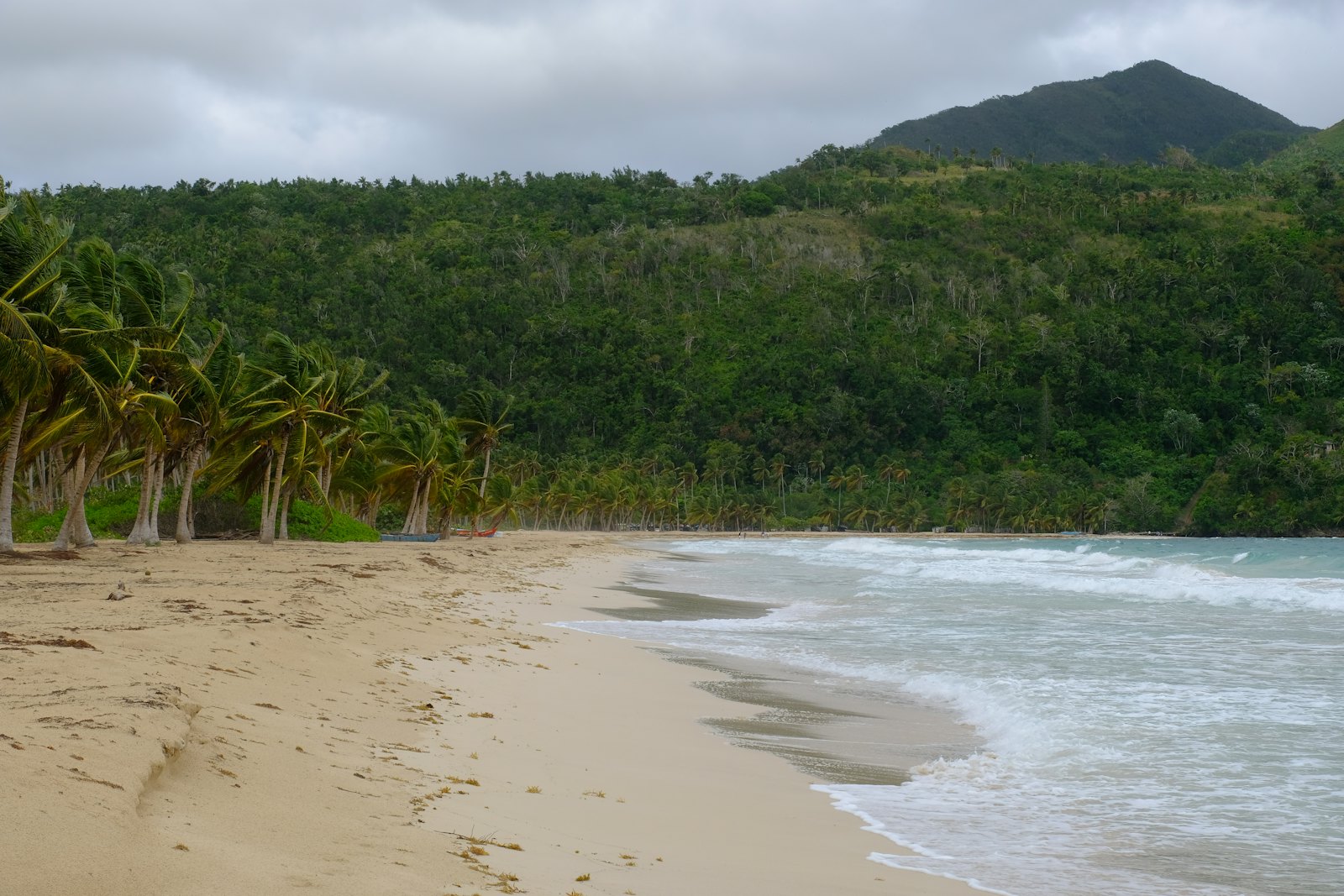
On the northeastern coast, Samana runs at a noticeably different pace from Punta Cana. Las Terrenas, Las Galeras and El Valle are the peninsula's main towns, each with a distinct character: Las Terrenas carries more of a laid-back, partly French-influenced beach-town feel, while Las Galeras and El Valle stay quieter and more local. Playa Rincon, widely rated among the most beautiful beaches in the country, sits on the Samana side, alongside the smaller, less-visited Playa El Ermitaño, reachable only by a short boat ride. From January to March, Samana Bay becomes one of the best whale-watching destinations in the Caribbean, as thousands of humpback whales arrive to breed and calve, a genuine seasonal draw that pulls visitors specifically to this part of the country rather than the eastern resort belt.
Bahia de las Aguilas
In the remote southwest, within Jaragua National Park, Bahia de las Aguilas stretches roughly five miles with minimal development, among the most untouched beaches remaining anywhere in the Caribbean. The bay and surrounding park protect nesting hawksbill sea turtles, and the water here stays clear and calm enough for snorkelling directly off the sand. Reaching it takes real effort compared with the eastern resort corridor, generally a long drive followed by a boat crossing from the nearby town of Bahia de las Aguilas or Cabo Rojo, which is precisely why it has stayed undeveloped while closer, easier beaches filled with hotels decades ago.
Jarabacoa and Constanza
Inland and in the mountains, Jarabacoa, nicknamed the City of Eternal Spring for its cooler, temperate climate, has built a genuine adventure-sports identity around whitewater rafting, canyoning and paragliding, taking advantage of the mountainous terrain and rivers that the flat coastal resorts simply do not have. Constanza, further into the same mountain range, sits on a fertile plateau known specifically for agriculture, strawberries and coffee among its main crops, giving visitors a version of the Dominican Republic built around farming towns and cooler air rather than beaches at all. For anyone who finds year-round Caribbean heat wearing, the noticeably cooler temperatures in both towns are a genuine point of difference worth experiencing before assuming coastal heat is the only option in the country.
What this means for a buyer
None of these areas currently carry the international property market infrastructure, agents, developments and established expatriate communities, that Punta Cana and Cap Cana have built up over decades. That is exactly the trade-off: lower prices and genuine local character against far thinner resale liquidity and fewer property management options for anyone planning to rent the property out. A buyer specifically drawn to Samana's slower pace, or to Jarabacoa's mountain climate, should treat the purchase as a lifestyle decision first and an investment decision second, and should expect the process of finding a reliable local agent and attorney in these areas to take noticeably more legwork than it would in the established Punta Cana corridor.
Visiting before buying
Given how different these regions feel from the main resort belt, and from each other, spending real time in whichever area appeals before committing to a purchase is worth the extra week most buyers are tempted to skip. A short visit to Las Terrenas or Jarabacoa on a Punta Cana holiday gives only a partial sense of what living there full-time, outside of peak tourist season, actually involves.
Explore related blogs
View All
Renting Out Your Turks and Caicos Property: Licences, the 12% Tax and Tighter Enforcement
Investment Strategies
Renting Out Your Bahamas Property: Registration, VAT and the New Property Tax Class
Investment Strategies
Best Areas to Buy in St Vincent and the Grenadines: Villa, Bequia, Union Island and Beyond
Investment Strategies
Looking for Properties?
Browse homes that match your needs and budget with expert support and personalized advice to help you find your perfect Caribbean property. Get started within 5 days for quality advice to begin searching.