Residency for Dominican Republic Property Buyers:
The US$200,000 Route and the Citizenship Timeline Problem
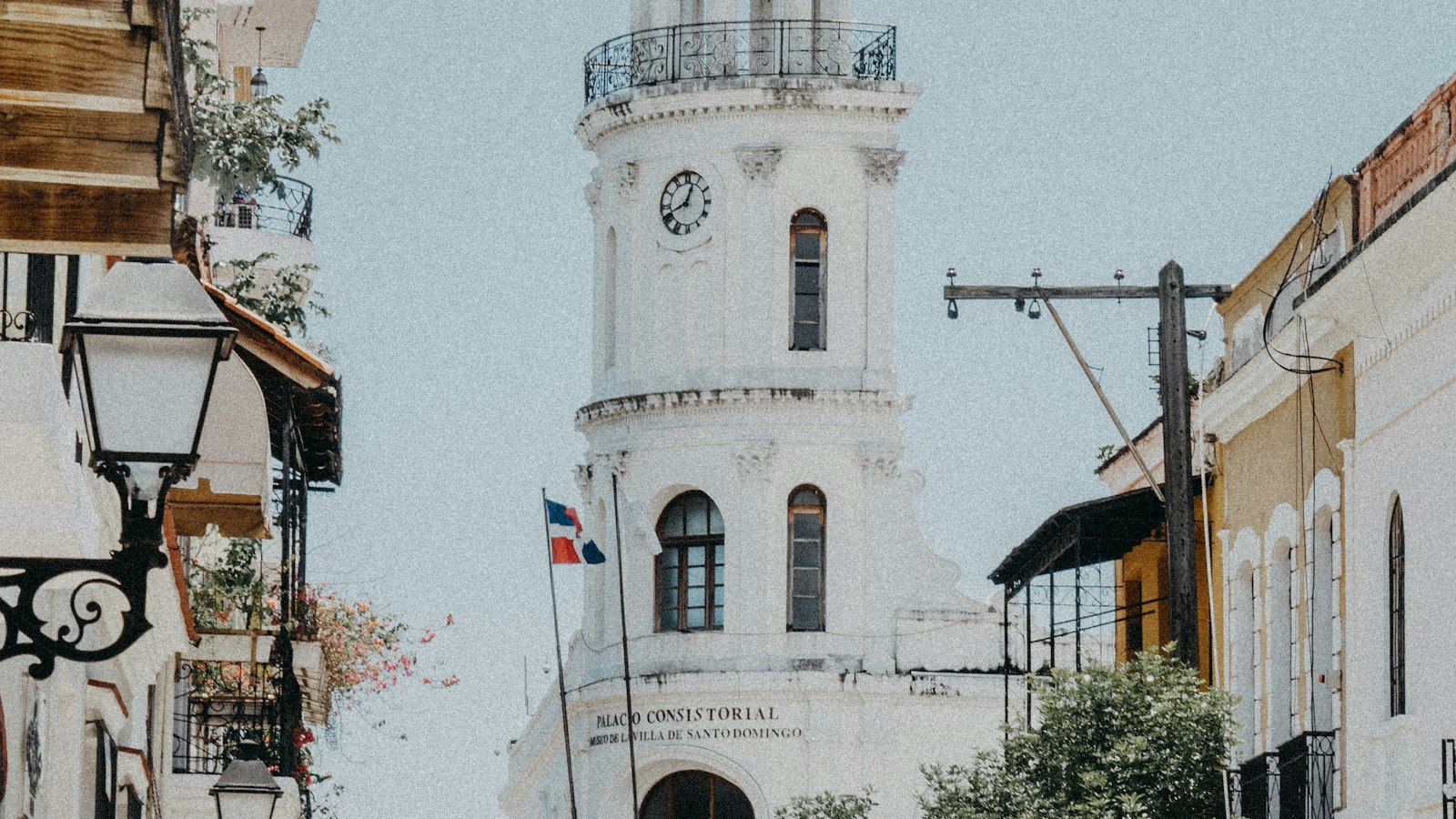
Residency for Dominican Republic Property Buyers: The US$200,000 Route and the Citizenship Timeline Problem
The Dominican Republic does not sell citizenship, and a property purchase does not by itself create residency. What it has is a clear threshold for an investor residency route, two income-based alternatives, and a citizenship timeline that advisers cannot agree on.
The three routes
There are three main residency tracks. The pensionado route requires a documented pension of at least US$1,500 a month, the rentista route requires passive income of at least US$2,000 a month, and the investor route requires a qualifying investment of at least US$200,000, in real estate, a business or approved instruments. These thresholds are consistent across six advisory and legal sources. One guide adds that a property worth less than US$200,000 can still support the other two routes. The Dirección General de Migración is the authority that decides residency.
What the investor route needs
US$200,000 is roughly RD$12.5 million or €170,000, which rules out many entry-level apartments. The investment must be documented and registered: the registered deed, proof that the money came through Dominican banks, and registration of the foreign investment with CEI-RD. Another guide says the investment is verified through ProDominicana before the immigration application. A primary residence qualifies only if it is worth at least US$200,000 and the registration is completed. The 3% transfer tax on a US$200,000 purchase comes to about US$6,000, covered in the cost article earlier in this series.
Where the sources disagree
The legal basis is quoted differently. One source cites Law 171-07 and Decree 950-01, another Law 285-04 and Decree 631-11, and a third Law 285-04 alone. The General Migration Law 285-04 is the main immigration statute, but the others were not checked.
Sources also disagree about the first status an investor receives. One guide says investors skip temporary residency and receive permanent residency at once, another says investors get temporary residency first, convertible after a year, and others describe a provisional period of one to two years before permanent status. Processing is quoted at up to 45 business days for the card and two to four months overall. One guide says permanent residence has no minimum physical presence requirement, as long as the holder returns periodically.
The citizenship timeline
This is the most important disagreement. One adviser cites Law 1683 of 1948 for naturalisation after two years of permanent residence, with a six-month track for property and business owners and spouses of Dominicans, subject to a Spanish-language interview and an oath of allegiance. A Dominican legal portal says ordinary naturalisation takes seven years, five of provisional residence and two of permanent, and another source says up to five years for some nationalities. These cannot all be right, and the difference between six months and seven years is too large to rely on a general guide. Get a written opinion from a Dominican immigration attorney, based on your nationality and category.
How strong is the passport
As of August 2026, the Dominican Republic passport gives visa-free or visa-on-arrival access to 73 countries and territories, ranking 67th for travel freedom. That is well below the 150 or more destinations quoted for Antigua and Barbuda's passport in the citizenship article earlier in this series. For buyers whose goal is mobility, this matters more than the speed of the naturalisation route.
What this means for a buyer
For someone planning to live in the Dominican Republic, the investor residency route is a defined and reasonably accessible way to make that legal, and permanent residency comes with few physical presence obligations. For someone seeking a strong second passport, the Dominican Republic is not the answer. The areas, costs and legal articles earlier in this series cover where to buy and what it costs.
Explore related blogs
View All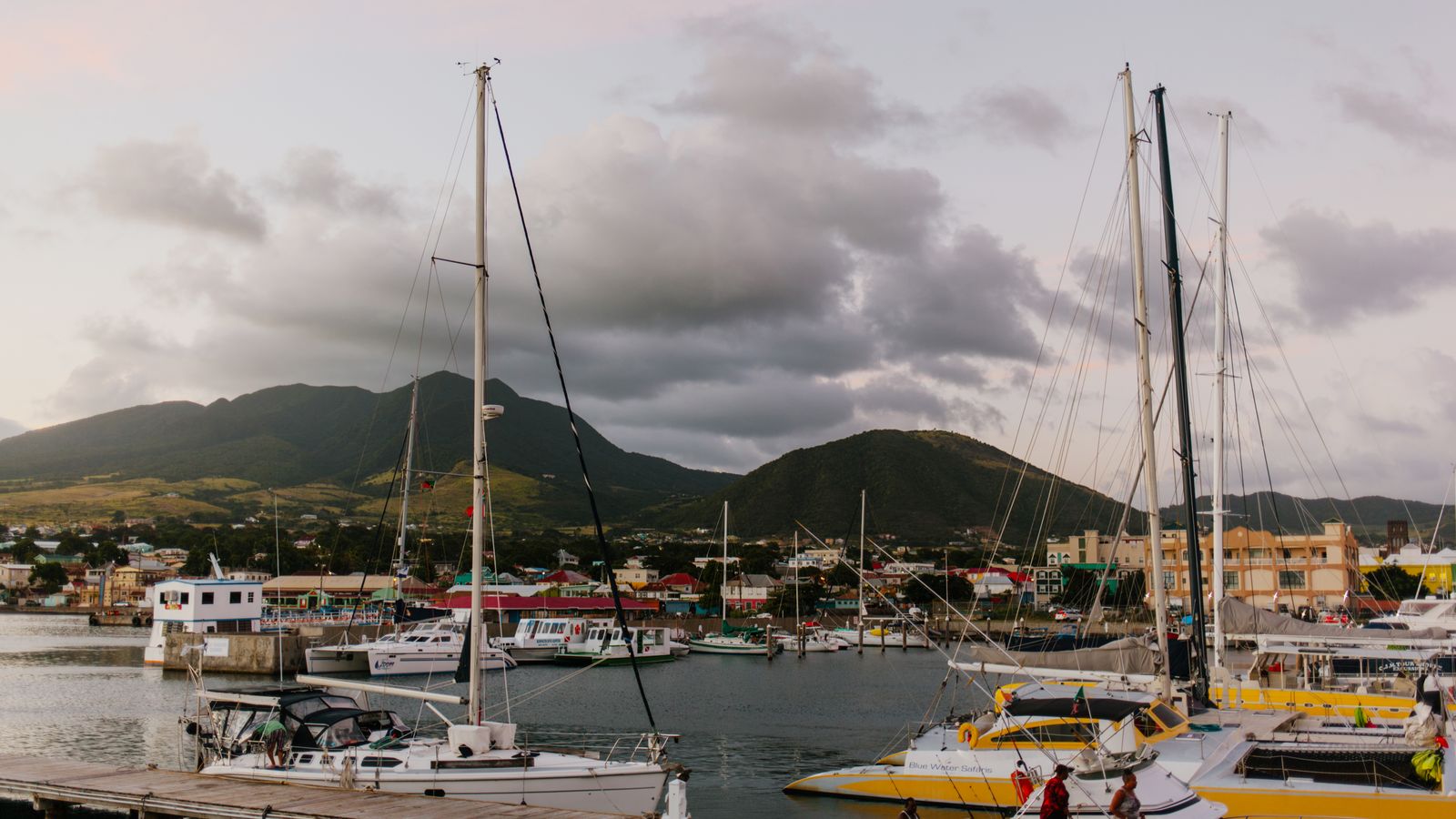
The World's Oldest Citizenship by Investment Programme: St Kitts and Nevis in 2026
Relocating & Moving Guide
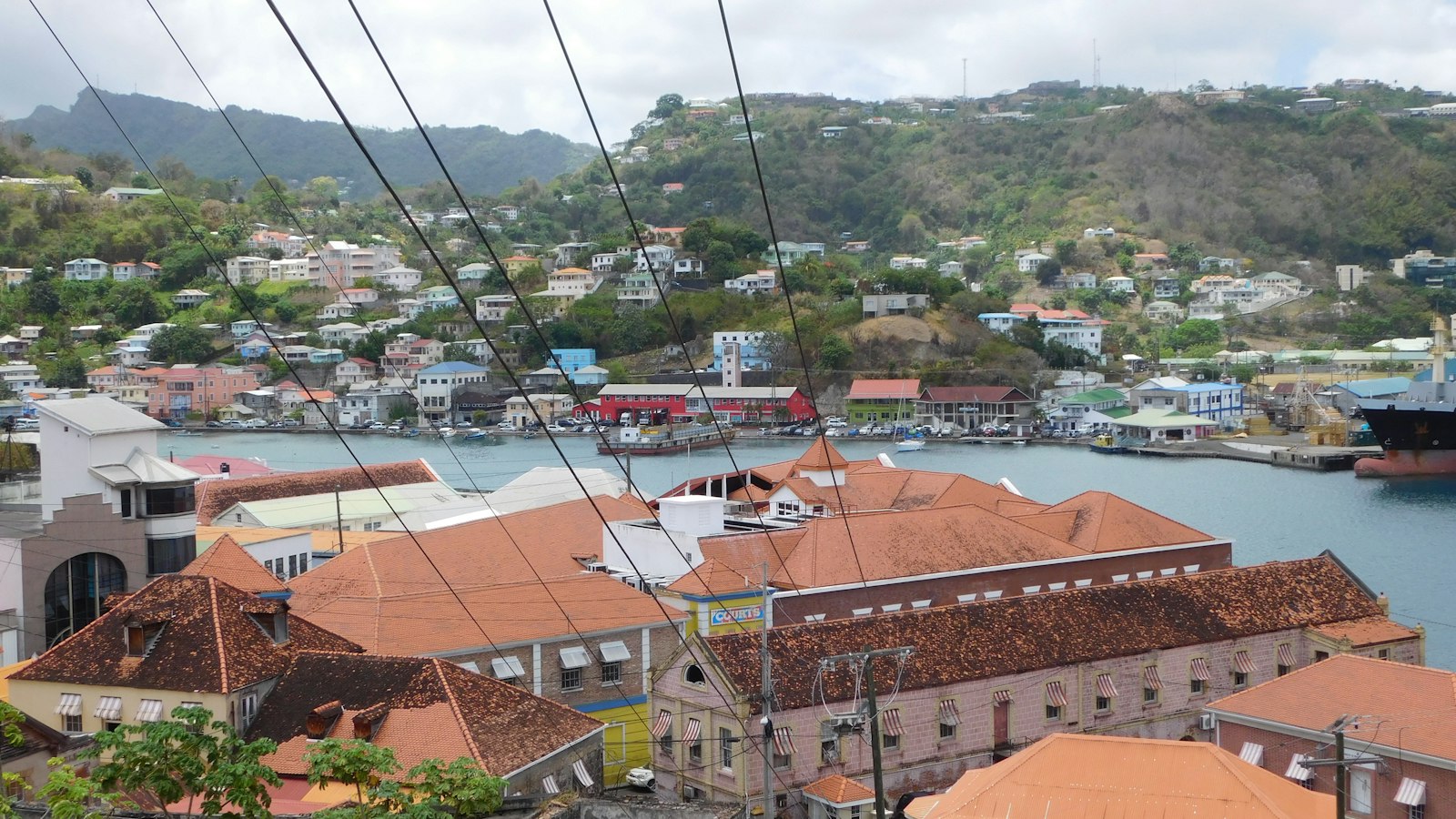
What It Costs to Buy and Live in Grenada: The 10% Licence and a Wide Budget Range
Economic Insights
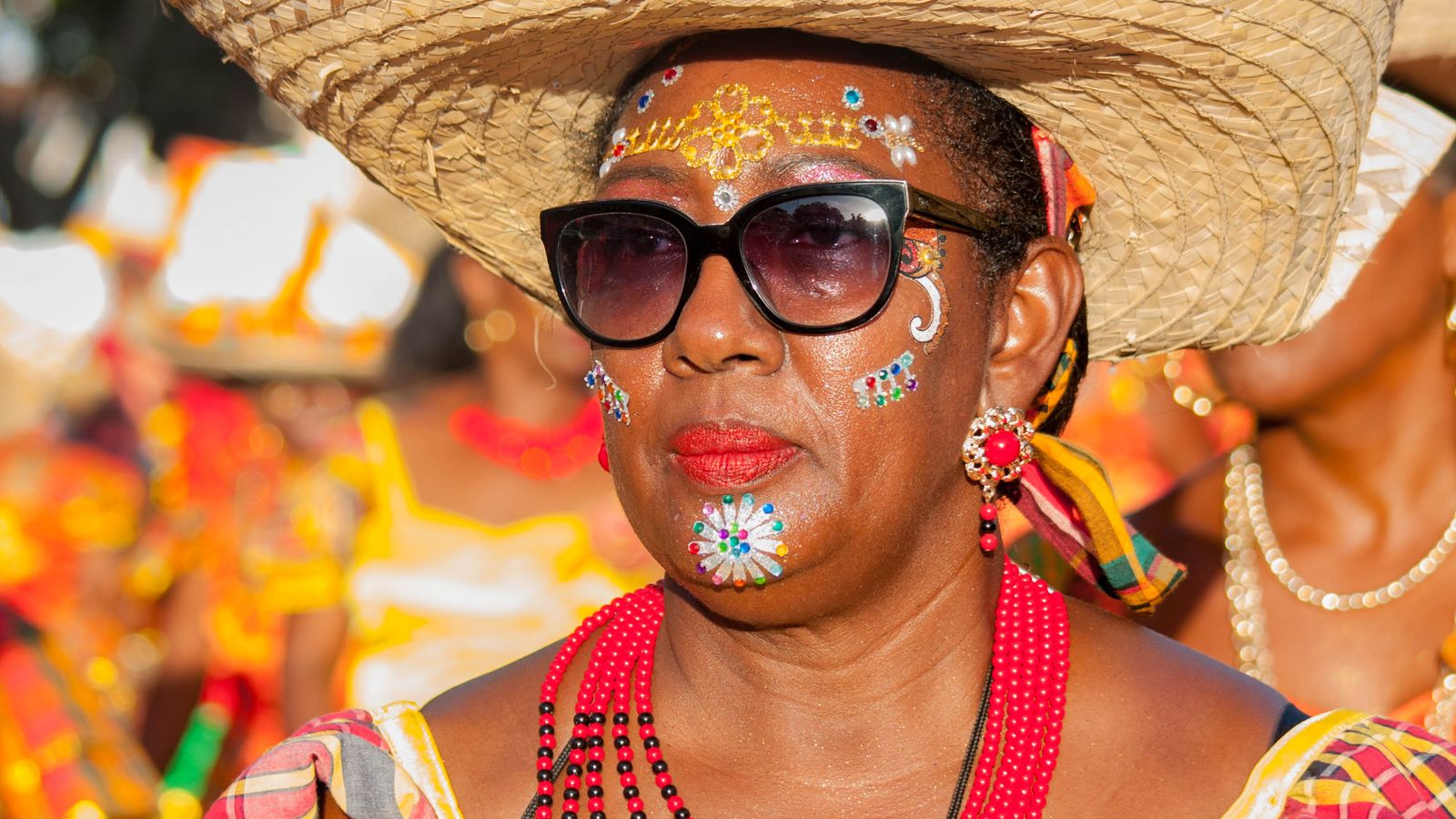
Cou-Cou, Crop Over and a Storm Record Shorter Than You Think: Everyday Life in Barbados
Relocating & Moving Guide
Looking for Properties?
Browse homes that match your needs and budget with expert support and personalized advice to help you find your perfect Caribbean property. Get started within 5 days for quality advice to begin searching.